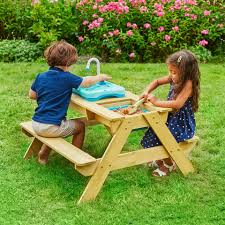
Choosing An Outdoor Play Set For Kids
Getting the right outdoor.play set can feel tricky, especially if it’s your first time. Lots of options seem to pop up, and it’s hard to know where to start. Don’t worry!
We’ll break it down simply. We’ll show you exactly what to look for. Get ready to discover what makes a great outdoor play area for your kids.
Key Takeaways
- You’ll learn how to pick the best location for your play set.
- We’ll cover different types of play sets and what to consider.
- You will understand the importance of safety features.
- We will explain how to set up and maintain your outdoor play set.
- You will know how to choose materials that last.
- We will discuss how to make your play set exciting for children.
What Is An Outdoor Play Set
An outdoor play set is basically a collection of equipment designed for children to play on outside. Think swings, slides, climbing structures, and sometimes even sandboxes. These sets are wonderful for encouraging active play, which is super important for kids’ health and development.
They offer a space for imagination and fun right in your backyard. The goal is to create a safe and engaging environment where children can explore, exercise, and have a blast.
The Purpose Of Play Sets
The main idea behind an outdoor play set is to provide a dedicated area for physical activity and imaginative fun. Kids can burn energy, build strength, and improve their coordination. It also helps them develop social skills if they play with siblings or friends.
A good play set can be a central hub for outdoor adventures, sparking creativity and bringing joy.
These sets often include various elements to keep children interested. A swing set might have one or two swings, but it could also feature a glider or a trapeze bar. A slide can be straight, wavy, or even a tube slide.
Climbing ladders, rock walls, and monkey bars add to the challenge and excitement. Some larger sets might even include playhouses or activity panels.
The benefits go beyond just exercise. Playing outdoors helps children connect with nature and experience fresh air. It can reduce screen time and encourage a healthier lifestyle.
Watching children interact with a play set shows how it fosters problem-solving skills as they figure out how to climb or balance. It’s a place for both physical and mental growth.
Materials Used In Play Sets
Play sets are made from different materials. Wood is a very popular choice because it looks natural and can be painted or stained. Plastic is another common material, often used for slides and smaller play structures.
Metal is sometimes used for frames, especially in swing sets. Each material has its pros and cons regarding durability, cost, and maintenance.
Wood play sets often come in cedar, redwood, or pine. Cedar and redwood are naturally resistant to rot and insects, making them a good long-term investment. Pine is more affordable but may require regular sealing and treatment to protect it from the elements.
Wooden sets can be very sturdy and offer a classic look for a backyard.
Plastic play sets are usually lighter and easier to assemble. They are often brightly colored and can be a good option for younger children. However, plastic can become brittle over time, especially in harsh weather, and may fade in the sun.
Some plastic sets are made from recycled materials, which is a nice bonus for the environment.
Metal frames, typically made of steel, are very strong and durable. They are commonly used for swing sets because they can support a lot of weight and withstand rigorous play. Metal can rust if not properly coated and maintained, so checking for rust spots and touching them up is important.
When choosing a material, think about your climate, how much maintenance you’re willing to do, and your budget. Some sets even combine materials, using a wooden frame with plastic slides and swings for a balance of aesthetics and functionality.
Choosing The Right Outdoor Play Set Location
Picking the perfect spot for your outdoor.play set is super important. It needs to be safe and fun for the kids. You want a flat area so the play set is stable.
Also, make sure there’s plenty of space around it for running and playing. Think about where the sun shines too. You don’t want the slides to get too hot in the summer.
Assessing Your Yard
Before you even look at play sets, walk around your yard. Look for a level spot that gets some shade during the hottest parts of the day. Avoid placing it too close to fences, trees, or any other obstacles.
You need clear space all around the equipment for safe play. Check for any underground wires or pipes, too, just in case you need to do any digging later.
A gentle slope might be okay for some smaller sets, but most require a fairly flat base. If your yard isn’t naturally level, you might need to do some work to prepare the ground. This could involve adding fill dirt and compacting it.
Proper ground preparation ensures the play set stands firm and reduces the risk of it tipping or shifting.
Think about the view from your house. You’ll likely want to see your children while they play. Placing the play set where you can easily supervise them is a smart move.
Also, consider how much space you have. A large play set needs more room than a simple swing. Measure your intended area to make sure it will fit comfortably.
Safety Zones Around The Play Set
Safety zones are areas around the play set where there should be no obstructions. For swings, you need clearance in front and behind. For slides, there should be open space at the bottom.
The general rule is to have at least 6 feet of clear space in all directions around the play set. This space should be covered with soft surfacing like wood chips, sand, or rubber mulch.
This clear zone prevents children from running into hard objects if they fall or jump off the play set. It also gives them room to land safely if they slide off. For swings, the area extends much further.
You need to make sure no one can walk into the path of a swinging child. This is often the most overlooked safety aspect, but it’s critical.
Imagine a child swinging high. They could easily fall forward or backward. The safety zone acts as a buffer.
The depth of the safety zone depends on the height of the equipment. Taller equipment requires larger safety zones. Always refer to the manufacturer’s recommendations for specific measurements.
This planning ensures a safer play experience for everyone.
Sun Exposure And Shade
Consider how the sun hits your yard throughout the day. A play set in full sun all day can become dangerously hot. Metal slides can burn little legs, and plastic can feel like a furnace.
Look for a spot that gets morning sun but is shaded in the afternoon when kids are most likely to play. Trees can provide natural shade, which is great.
If natural shade isn’t available, you can create it. A shade sail or a canopy can be added to the play set itself or installed over the play area. This makes the play set more comfortable to use during hot weather.
It also helps protect the materials from sun damage, prolonging the life of the play set.
Think about the orientation of slides and climbing walls. A slide facing west will get the hottest afternoon sun. One facing east will be cooler in the afternoon.
Even small details like this make a big difference. A shaded play set means more hours of enjoyable play for your children.
Types Of Outdoor Play Sets
There are many kinds of outdoor.play set options out there. You can find simple swing sets, elaborate wooden fort structures, and everything in between. The best type for you depends on your kids’ ages, your yard size, and your budget.
Each type offers different play experiences.
Wooden Playsets
Wooden playsets are often seen as the classic choice. They can be very beautiful and blend well with a natural garden setting. These are usually larger, more involved structures that can include multiple swings, slides, climbing walls, and even small forts or clubhouses.
They offer a lot of versatility and can grow with your children.
A wooden playset is typically made from durable lumber like cedar or redwood. These woods are naturally resistant to rot and insects, making them a good choice for outdoor use. Pine is also used but is less resistant and requires more maintenance to keep it from decaying.
The solid construction of wooden sets makes them very sturdy and safe.
The components of a wooden playset can be configured in many ways. You might find a set with a tall tower accessible by a ladder and a rock-climbing wall, leading to a slide. Below the tower, there might be space for a sandbox or a swing beam.
Many manufacturers offer different add-on kits, allowing you to customize the set over time as your children’s interests change.
Maintenance is key for wooden playsets. They need to be sealed or stained regularly to protect the wood from sun and rain. This also helps prevent splinters.
Regularly checking bolts and hardware is important to ensure everything stays tight and secure. Despite the upkeep, many families find wooden playsets to be a worthwhile investment for years of fun.
Metal Playsets
Metal playsets are most commonly seen as swing sets. They are generally simpler in design compared to wooden structures. Metal frames are very strong and can be a great option if you’re looking for something durable and relatively easy to assemble.
They are often more affordable than large wooden structures.
The primary material for these sets is steel, which is coated to prevent rust. Common colors include green, brown, or black. These sets usually feature a frame with one or more swing bars.
Some may include a trapeze bar or a small slide attached to the frame. They are ideal for smaller yards or for families who want a straightforward play solution.
Metal playsets are known for their stability. Once assembled and anchored properly, they can withstand a lot of use. Because they are lighter than full wooden structures, ensuring they are well-anchored to the ground is crucial, especially in windy areas.
This prevents the set from tipping over.
The maintenance for metal playsets is usually minimal. You’ll want to check for any signs of rust and touch them up with paint if needed. Also, ensure that all bolts and nuts are tight, as they can loosen over time with use.
Metal is a practical choice for a backyard play space.
Plastic Playsets
Plastic playsets are a fantastic option for younger children. They are lightweight, easy to clean, and often come in bright, cheerful colors. Many plastic playsets are designed for toddlers and preschoolers, featuring smaller slides, gentle inclines, and simple activity panels.
They are usually very safe and don’t have the sharp edges or pinch points sometimes found on other materials.
These sets are often modular, meaning you can buy individual pieces and combine them to create a custom play area. For example, you might get a basic climbing structure with a small slide and then add on a tunnel or a steering wheel. This allows the play set to adapt as your child grows or as your budget allows.
The ease of assembly is a big plus for plastic playsets. Many are designed to snap or clip together, requiring no special tools. This makes them ideal for families who might move or who want to rearrange their play area easily.
Cleaning is also a breeze; a simple wipe-down with soap and water is usually all that’s needed.
While plastic is durable, it can be susceptible to fading from prolonged sun exposure and can become brittle in very cold temperatures. However, modern plastics are quite resilient. They offer a cost-effective and low-maintenance way to give your little ones a fun outdoor play experience.
Combination Playsets
Combination playsets blend different materials to offer the best of various worlds. You might see a wooden frame with a plastic slide and swings, or a metal frame supporting wooden platforms. These sets are designed to leverage the strengths of each material.
For example, wood provides a sturdy, attractive frame, while plastic offers a smooth, safe slide surface.
These types of playsets often provide a good balance of aesthetics, durability, and cost. They can offer the grand look of a wooden structure without the high maintenance of an all-wood build. The combination can also lead to more innovative designs with unique features.
For instance, a wooden fort structure might have a large plastic tube slide, a trapeze bar, and a tire swing. This variety keeps things interesting for kids. The different textures and materials also add to the sensory experience of playing.
It’s a way to get a feature-rich play set that is still manageable in terms of upkeep.
When considering a combination playset, pay attention to how the different materials are joined. Look for secure hardware and well-finished edges. The goal is to have a play set that is not only fun but also safe and built to last, benefiting from the best qualities of each material used.
Safety Features Of An Outdoor Play Set
When choosing an outdoor.play set, safety is always number one. You want to make sure the equipment is well-made and has features that protect your children. Look for things like sturdy construction, soft landing surfaces, and proper railings.
These details make a big difference in preventing accidents.
Certifications And Standards
Many play sets are designed to meet certain safety standards. Look for certifications from organizations like the ASTM International. These standards ensure that the play equipment has been tested for safety.
For example, ASTM F1487 covers specific requirements for residential playground equipment for normal use. Knowing a set meets these standards gives you peace of mind.
These certifications mean that the play set has been evaluated for things like entrapment hazards, sharp edges, and the strength of its components. It’s like a stamp of approval from an independent body. This helps you distinguish between a well-made, safe product and one that might have hidden risks.
Always check the product details or packaging for any safety certifications.
Some manufacturers also voluntarily participate in third-party safety testing programs. This can provide an extra layer of assurance. While not every piece of equipment will have every certification, looking for these markers is a good start.
It shows that the manufacturer cares about the safety of the children who will be using their products.
Beyond certifications, read reviews and check for any recalls on the specific model you are considering. This diligence ensures you are investing in a safe piece of equipment for your family. Safety should never be an afterthought when it comes to children’s play areas.
Guardrails And Enclosures
Platforms that are raised off the ground should have guardrails or enclosures. These prevent children from accidentally falling off. The height of the guardrails is important; they need to be high enough to be effective but not so high that they become a climbing hazard themselves.
The spacing between any bars or openings in the guardrails is also critical to prevent small heads or limbs from getting stuck.
For taller platforms, such as those leading to a slide, sturdy guardrails are essential. They should be securely attached and strong enough to support a child leaning against them. If the play set has a fort or clubhouse area, ensuring all access points and openings are protected by guardrails or solid walls is vital.
Consider the design of the guardrails. Some have vertical bars, while others might have solid panels. Both can be safe if designed correctly.
The key is that they provide a secure barrier. Inspect these features closely on any play set you’re considering. They are a primary defense against falls from elevated areas.
Guardrails are not just about preventing falls but also about giving children confidence as they play. Knowing there’s a secure barrier can make them more adventurous as they explore. This adds to the overall enjoyment and safety of the play set experience.
Surfacing Materials
The ground beneath and around the play set is just as important as the equipment itself. Soft surfacing materials help cushion falls, reducing the risk of serious injury. Common safe surfacing options include wood chips, shredded rubber mulch, sand, and engineered wood fiber.
These materials should be spread to a depth of at least 9 to 12 inches.
Avoid hard surfaces like concrete, asphalt, or packed earth. If a child falls on these surfaces from any height, the impact can be severe. The surfacing needs to be deep enough to absorb the shock of a fall.
For example, a fall from a 6-foot platform onto 12 inches of wood chips is much less likely to cause injury than a fall onto grass.
It’s important to maintain the surfacing regularly. Over time, it can become compacted, displaced, or wash away. You may need to rake it to keep it loose and add more material periodically.
Checking the depth of the surfacing after heavy rain or strong winds is also a good idea. This ensures it remains effective.
Some playground equipment manufacturers offer specific recommendations for surfacing types and depths. Always consult these guidelines. Using the correct surfacing is a critical step in creating a safe play environment for your children.
It’s a proactive measure that significantly lowers the risk of playground injuries.
Setting Up And Maintaining Your Outdoor Play Set
Putting together an outdoor.play set can seem like a big job, but it’s doable with patience. Once it’s up, keeping it in good shape means it will last for years. Regular checks and some simple maintenance will keep it safe and fun.
Let’s look at how to get it set up and keep it that way.
Assembly Process
Most playsets come with detailed instructions. It’s important to read them thoroughly before you start. Gather all the tools you will need, which usually include wrenches, screwdrivers, and maybe a drill.
It’s often helpful to have a second person to assist with holding pieces in place, especially during the early stages of assembly.
Clear the area where the playset will go. Make sure you have enough space to lay out all the parts and work around the structure as you build it. Start with the base or main frame.
This provides a stable foundation for adding other components like slides, swings, and platforms. Double-check that all bolts and screws are tightened securely as you go.
Pay close attention to the orientation of each piece. Sometimes a part might look similar but be slightly different, and putting it in the wrong place can cause problems later. If the instructions include diagrams, use them to guide your assembly.
Many modern playsets use pre-drilled holes and simple connectors, making the process straightforward.
Don’t rush the assembly. Taking your time ensures that everything is put together correctly, which is crucial for safety. Once assembled, give the entire structure a good shake to test its stability.
Ensure there’s no excessive wobbling. A well-assembled playset is the first step to a safe and enjoyable experience.
Regular Inspections
Routine checks of your outdoor play set are vital for safety. Look for loose bolts, screws, or hardware. These can work themselves free with use and can create hazards.
Tighten them as needed. Also, check for any signs of wear and tear, such as cracked wood, splintered edges, or rusted metal parts. Address these issues promptly.
Inspect the swings and their attachments. Make sure the ropes or chains are not frayed and that the swing seats are secure. Check the slide for any cracks or sharp edges.
If you have a climbing wall, ensure the handholds are firmly attached. Look at the integrity of any platforms and guardrails.
Pay attention to the ground surface. Rake wood chips or sand to keep them loose and evenly distributed. Check that the surfacing is still deep enough to provide adequate cushioning.
Remove any debris like rocks, sticks, or animal droppings that could cause injuries.
Make it a habit to do these inspections at least twice a year, perhaps in the spring when play season begins and again in the fall. Some families prefer to check weekly or bi-weekly. A quick visual check each time the children play can catch small problems before they become big ones.
Safety is an ongoing effort.
Cleaning And Weatherproofing
Keeping your playset clean helps maintain its appearance and longevity. For wooden sets, sweep off leaves and debris regularly. You can wash wooden structures with mild soap and water.
For plastic parts, a simple wipe-down is usually sufficient. Avoid using harsh chemicals that could damage the materials or leave residues.
Weatherproofing is essential, especially for wooden playsets. Apply a sealant or stain every one to two years, depending on the climate and the product used. This protects the wood from UV rays, moisture, and temperature changes, which can cause warping, cracking, and rot.
It also helps prevent splinters.
Metal parts may need occasional touch-ups if you notice rust spots. Use a rust-inhibiting primer and a durable outdoor paint to cover these areas. For plastic, while it doesn’t require sealing, keeping it clean can prevent mold or mildew buildup in shaded or damp areas.
Consider covering your playset during harsh weather, like heavy snow or prolonged rain, if possible. This can offer an extra layer of protection. Proper cleaning and weatherproofing ensure your outdoor play set remains a safe, attractive, and enjoyable feature of your yard for a long time.
Enhancing Play With Accessories
Once you have your basic outdoor.play set, you can make it even more exciting with accessories. These additions can spark new games and encourage longer play times. Think about things that add to the adventure or provide extra fun activities.
It’s all about making the play area more engaging.
Adding Swings And Gliders
If your playset has a beam for swings, you can easily swap out existing ones or add more. Beyond standard belt swings, consider tire swings, disc swings, or glider swings. Gliders are great for younger children or for playing with a friend.
They offer a different motion than traditional swings.
Tire swings provide a unique, fun experience, allowing kids to spin and swing in different directions. Disc swings offer a more upright sitting position, which can be comfortable for some children. When adding swings, make sure they are hung at an appropriate height for the children using them.
Also, ensure there’s enough clearance around each swing so they don’t collide.
The type of rope or chain used for swings is also a consideration. Some chains can pinch little fingers. Using ropes with a soft coating or specialized swing chains can improve safety and comfort.
Always check the weight capacity of the swings and the attachment points to ensure they are suitable for your children.
Adding variety to the swinging experience can keep children engaged for longer. It allows them to choose their preferred way to play. A well-equipped swing area is often a favorite spot for kids on any playset.
Incorporating Slides And Tunnels
If your playset doesn’t have a slide, or you want to add more, there are many options. Tube slides offer a thrilling, enclosed experience. Wavy slides add an element of surprise with their undulations.
Some slides are designed to attach to existing platforms, while others are part of a larger unit.
Tunnels can be a wonderful addition, especially for imaginative play. Children can crawl through them, using them as secret passages or escape routes. Tunnels can be rigid plastic or flexible fabric structures.
They add a new dimension to the play set, encouraging crawling and exploration.
When choosing a slide, ensure the entry and exit points are safe. There should be no sharp edges, and the landing area should be clear and soft. For tube slides, ensure good ventilation so they don’t get too hot inside.
Always check that the slide is securely attached to the play structure and that the angle is appropriate for safe descent.
The combination of slides and tunnels can transform a simple structure into a multi-stage adventure. It provides children with different ways to move and play, keeping them entertained and active.
Adding Play Panels And Accessories
Play panels are fantastic for adding interactive elements to a playset. These can include steering wheels, chalkboards, periscopes, or even simple activity boards with spinning gears. They encourage imaginative play and can introduce early learning concepts in a fun way.
Other accessories can include buckets for hauling, telescopes for spotting pretend treasures, or even a small porch or balcony area. A sandbox is a classic addition that can be integrated into many playset designs. Sand play is excellent for sensory development and creativity.
You can also add elements like a ring toss game or a basketball hoop if space allows.
Consider adding things like flags or decorative elements to personalize the playset. These touches can make the play area feel more like a special kingdom or clubhouse. The goal is to make the playset a dynamic and engaging space that sparks continuous fun and exploration for the children.
When selecting accessories, always ensure they are durable, safe, and appropriate for the age of the children who will be using them. Securely attach all accessories to prevent them from becoming loose or falling off. These little extras can significantly enhance the play value of your outdoor play set.
Common Myths Debunked
Myth 1: Any Flat Ground Is Fine For An Outdoor Play Set
Reality: While a flat surface is the goal, it’s not just about being flat. The ground beneath and around the play set needs to be safe. This means avoiding hard surfaces like concrete or asphalt, and ensuring there’s enough space for safety zones.
Soft, shock-absorbent material like wood chips or rubber mulch is essential to cushion falls. Simply being flat isn’t enough; it must be a safe play surface.
Myth 2: Once Assembled, Playsets Are Always Safe
Reality: Playsets require ongoing attention. Regular inspections are critical to catch loose hardware, wear and tear, or damage that can occur over time. Materials can degrade, and parts can shift.
Without consistent checks and maintenance, even a safely assembled playset can become a hazard. Safety is an active, not passive, responsibility.
Myth 3: All Playsets Are Made With Child Safety As The Top Priority
Reality: While many manufacturers adhere to safety standards, it’s up to the consumer to verify. Not all playsets are created equal. Look for certifications like ASTM.
Some products may cut corners on materials or design. It’s important to research brands and products, checking for safety features and user reviews to ensure you’re buying a genuinely safe item.
Myth 4: Wood Playsets Are Maintenance-Free
Reality: Wood is a natural material and, like all natural materials exposed to the elements, it requires maintenance. Wood playsets need regular cleaning, sealing, or staining to prevent rot, cracking, and splinters. Ignoring this upkeep can lead to a safety hazard and shorten the lifespan of the playset considerably.
Regular care is essential for longevity and safety.
Frequently Asked Questions
Question: What is the most important factor when choosing an outdoor play set
Answer: Safety is the most important factor. This includes the quality of materials, sturdy construction, appropriate guardrails, and safe surfacing around the play set.
Question: How much space do I need for an outdoor play set
Answer: You need enough space for the play set itself, plus a safety zone of at least 6 feet around it. This zone should be clear of obstructions and have soft surfacing.
Question: Can I put an outdoor play set on uneven ground
Answer: It’s best to avoid uneven ground. Playsets need a stable, level base. If your yard is sloped, you may need to level the area before installation.
Question: How often should I inspect my outdoor play set
Answer: Regular inspections are crucial. Aim for at least twice a year, or more frequently if the set is heavily used or exposed to harsh weather.
Question: What are good surfacing materials for under a play set
Answer: Good surfacing materials include wood chips, shredded rubber mulch, sand, or engineered wood fiber. They should be at least 9-12 inches deep to cushion falls.
Wrap Up
Picking the right outdoor.play set makes playtime wonderful. Focus on safety first with good materials and a secure spot. Choose a set that fits your space and your kids’ ages.
Simple maintenance keeps it safe for years. Add fun accessories to make it their favorite place to play. You can create an amazing outdoor adventure area for your children.