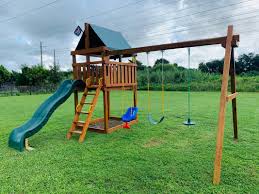
Building A Wooden Outdoor Playset Easy Guide
Getting ready to build a wooden outdoor playset can seem like a big job, especially if you’re new to DIY projects. There are many parts, different types of wood, and specific steps to follow. It’s easy to feel a little overwhelmed.
But don’t worry, this guide is here to help. We’ll walk you through everything, step by step, making it simple and fun. Get ready to create a fantastic play space for your kids.
Key Takeaways
- Learn the basic components of a wooden outdoor playset.
- Discover the best types of wood for durability and safety.
- Understand essential tools and materials needed for the build.
- Follow simple planning and design tips for your playset.
- Get advice on assembly and safety checks to ensure longevity.
Planning Your Wooden Outdoor Playset
Before you even think about cutting wood, good planning is super important. It means deciding where the playset will go, how big it should be, and what features it will have. Think about the age of the children who will use it.
A playset for toddlers will be different from one for older kids. Also, consider the space you have. You don’t want it to be too crowded or too spread out.
Measuring your yard and sketching out a rough design is a great first step. This helps you visualize the finished product and avoid mistakes later on.
Choosing The Right Location
Picking the perfect spot for your wooden outdoor playset is crucial for both safety and enjoyment. Look for a level area, free from rocks, roots, or other hard objects that could cause injury. It’s also wise to position it away from fences, trees, or other structures that children might bump into.
Good visibility from your house is another key factor, letting you keep an eye on playtime. Consider sun exposure too. A spot that gets morning sun and afternoon shade can make playtime more comfortable, especially during hot summer days.
Designing The Playset
What kind of fun do you want to create? A simple swing set is a classic choice. You could add a slide for extra excitement.
Maybe a small fort area for imaginative play is ideal. For larger yards, consider a multi-level structure with climbing walls or bridges. Keep the design manageable for your skill level.
You can find many pre-made plans online or in books that offer detailed instructions. These plans often include material lists and cutting guides, making the process much smoother.
Gathering Necessary Tools
Having the right tools makes any building project go more smoothly and safely. For a wooden playset, you’ll likely need a tape measure, a pencil, a saw (circular or hand saw), a drill, screws, a level, and safety glasses. Gloves are also a good idea.
If you’re not familiar with using power tools, practice on some scrap wood first. Having all your tools ready before you start will save you time and frustration.
Selecting The Best Wood For Your Playset
The type of wood you choose for your wooden outdoor playset significantly impacts its durability, safety, and how long it will last. Different woods have different strengths and weaknesses. Some are naturally resistant to rot and insects, while others require more treatment to withstand the elements.
Making the right choice here means your playset will be a safe and sturdy play area for years to come.
Types of Wood To Consider
Cedar and redwood are popular choices because they are naturally resistant to insects and decay. This means they hold up well outdoors without needing harsh chemical treatments. They also have a beautiful natural color.
Pine is another common option. It’s less expensive than cedar or redwood but needs to be pressure-treated to protect it from moisture and pests. Always look for lumber that is rated for outdoor use.
Cedar and Redwood Benefits
Cedar and redwood have natural oils that repel insects and prevent rot. This makes them ideal for outdoor structures like playsets. They are also lightweight, making them easier to work with.
Their natural beauty adds to the appeal of the playset. However, they can be more expensive than other wood types. Proper sealing can further enhance their lifespan.
Pressure-Treated Pine
Pressure-treated pine is a more budget-friendly option. It undergoes a process where chemicals are forced into the wood to protect it from rot, fungi, and insects. This treatment makes it very durable for outdoor use.
It’s important to use screws and hardware that are rated for use with pressure-treated lumber, as the chemicals can cause certain metals to corrode.
Wood Treatments And Finishes
Even naturally resistant woods can benefit from a protective finish. A good quality sealant or stain will help protect the wood from UV rays and moisture, preventing cracking and fading. Choose a non-toxic, child-safe finish.
These finishes can also add color or enhance the natural look of the wood. Reapplying the finish every few years will keep your playset looking great and prolong its life.
Understanding Wood Grades
Lumber comes in different grades, which affect its strength and appearance. For a playset, you want strong, structurally sound wood. Look for boards that are relatively free of large knots, cracks, or warping.
Clear grades are best but can be more expensive. For structural components, it’s wise to invest in good quality lumber to ensure the safety of the playset.
Building The Wooden Outdoor Playset Step-by-Step
Now that you’ve planned and gathered your materials, it’s time to build! This process involves several stages, from assembling the main frame to adding the fun accessories. Each step is designed to build a strong and safe structure.
Following these instructions carefully will help you create a fantastic playset that your kids will enjoy for many years.
Assembling The Base Frame
The base frame is the foundation of your playset. It needs to be strong and level. You’ll typically attach vertical posts to horizontal beams.
Use sturdy hardware, like galvanized lag screws or bolts, to ensure all connections are secure. Double-check that everything is square and level before proceeding. This is a critical step for the overall stability of the playset.
For example, if you are building a simple fort, the base frame might consist of four corner posts connected by sturdy beams at the ground level. These beams need to be securely fastened to the posts. You can use metal brackets for extra strength.
Make sure the entire base is square by measuring the diagonals – they should be equal. A level surface is essential for the posts to stand straight.
Installing Support Posts And Beams
Once the base is solid, you’ll install the main support posts that will hold up the upper levels and attachments like swings or slides. These posts need to be deeply set in the ground, often in concrete, or attached to a very strong base frame. The beams connect these posts, creating the structural integrity.
Ensure all connections are tight and secure. Use a level to make sure posts are perfectly vertical.
Adding Decks And Platforms
Platforms and decks are where kids will stand and play. These are usually built with sturdy joists and then covered with decking boards. Space the joists appropriately to support the weight of children.
Use weather-resistant screws to attach the decking. Sand down any rough edges to prevent splinters. Railings are a vital safety feature for any elevated deck.
Attaching Swings And Slides
This is where the playset really comes to life! For swings, you’ll need strong swing hangers attached to a sturdy beam. Make sure there’s enough space between swings and that they have a clear area to move.
For slides, follow the manufacturer’s instructions carefully. Ensure the slide is securely attached at the top and has a safe, soft landing area at the bottom.
Swing Installation Tips
When installing swing hangers, choose a heavy-duty model designed for playsets. Drill pilot holes according to the hanger’s instructions. Use the correct length and type of screws or bolts.
Make sure the beam you’re attaching to is strong enough to support the forces of swinging. Leave adequate space between the swing seat and any part of the playset to avoid collisions.
Slide Attachment Considerations
Slides come in various types, but most require secure mounting at the top platform. Look for kits that include all necessary hardware. Ensure the slide’s angle is safe and that the exit area is clear and soft, perhaps with wood chips or rubber mulch.
Check that there are no pinch points where fingers could get caught.
Safety Features And Finishing Touches
Safety is paramount. Add railings to all elevated platforms and steps. Ensure there are no sharp edges or protruding nails or screws.
Cover any bolts with plastic caps. Consider adding a soft landing material, like wood chips or rubber mulch, around the base of the playset. Regularly check all connections and hardware for looseness or wear.
Maintenance And Safety Checks
Building a wooden outdoor playset is only the first step. To keep it safe and in good condition for years, regular maintenance is essential. This includes checking for wear and tear, making sure all bolts are tight, and reapplying protective finishes.
A well-maintained playset ensures endless fun and peace of mind.
Regular Inspections
At least twice a year, give your playset a thorough inspection. Look for loose screws or bolts. Check wooden components for any signs of rot, cracking, or splintering.
Examine swing chains, ropes, and seats for wear. Make sure all safety features, like railings and barriers, are intact and secure. A quick check can prevent a minor issue from becoming a major safety hazard.
What To Look For During Inspections
During an inspection, you should pay close attention to moving parts like swing attachments and slide connections. Check for rust on metal hardware, as this can weaken it. Inspect wooden beams and posts for any signs of weakness, especially near the ground where moisture can accumulate.
Look for any protruding nails or screws that could injure a child.
Tightening Hardware
Wood can expand and contract with changes in temperature and humidity. This can cause screws and bolts to loosen over time. Make it a habit to tighten any loose hardware.
Use the appropriate tools to ensure a snug fit without over-tightening, which could strip the screws or damage the wood. This simple task is vital for structural integrity.
Wood Re-Sealing And Staining
The sun’s UV rays and rain can degrade wood over time, leading to fading, cracking, and peeling. To prevent this, reapply a protective sealant or stain every one to two years, depending on your climate. Choose a child-safe, non-toxic product.
This will not only protect the wood but also keep your playset looking its best.
Checking Ground Cover
The ground cover around a playset is critical for safety. It helps cushion falls. Regularly check the depth of your wood chips, sand, or rubber mulch.
If it has compacted or scattered, add more material to maintain the recommended depth. Ensure there are no exposed hard surfaces directly beneath areas where children might land after falling or jumping.
Common Myths Debunked
Myth 1: Any Wood Can Be Used For An Outdoor Playset
This is a common misconception. While you can technically use any wood, not all wood is suited for the harsh outdoor environment. Untreated pine, for example, will rot very quickly when exposed to rain and sun.
For safety and longevity, it’s best to use naturally resistant woods like cedar and redwood, or pressure-treated lumber specifically designed for outdoor use.
Myth 2: Once Built, A Wooden Playset Needs No More Attention
This is far from the truth. Like any outdoor structure, a wooden playset requires regular maintenance. Wood expands and contracts, hardware can loosen, and the finish can wear off.
Ignoring these issues can lead to a weakened structure and potential safety hazards. Consistent checks and upkeep are essential for a safe and durable playset.
Myth 3: Wooden Playsets Are Too Complicated For Beginners To Build
While building a large playset can seem intimidating, many simpler designs are very beginner-friendly. With good planning, clear instructions, and the right tools, even a novice can successfully construct a safe and fun playset. Many kits are available, and online plans often provide step-by-step guides that break down the process into manageable tasks.
Myth 4: A Playset Needs To Be Huge To Be Fun
Fun isn’t measured by size. Even a small, well-designed wooden outdoor playset can provide hours of entertainment. A simple A-frame swing set with a sturdy seat, or a small platform with a slide, can be incredibly engaging for children.
The key is to create a safe, inviting space that encourages active play and imagination.
Frequently Asked Questions
Question: What is the easiest wood to work with for a playset
Answer: Cedar is often considered one of the easiest woods to work with. It’s lightweight and less prone to splitting than some other types, making it simpler to cut and assemble.
Question: How deep should the holes be for play set posts
Answer: For most playsets, post holes should be at least 2 feet deep, and often deeper depending on the height of the playset and local building codes or recommendations for stability.
Question: Can I use reclaimed wood for a playset
Answer: While possible, using reclaimed wood requires careful inspection. Ensure it’s free from rot, pests, and structural damage. Also, confirm it hasn’t been treated with harmful chemicals.
Question: How often should I re-seal my wooden playset
Answer: You should aim to re-seal your wooden outdoor playset every one to two years, depending on your climate and the type of sealant used. This helps protect the wood from UV damage and moisture.
Question: What is the safest wood for children’s playsets
Answer: Naturally rot-resistant woods like cedar and redwood are excellent choices. If using pressure-treated wood, ensure it is rated for ground contact and is free of toxic chemicals. Always use child-safe finishes.
Conclusion
Building a wooden outdoor playset is a rewarding project. With careful planning, the right materials, and simple step-by-step assembly, you can create a durable and fun play space. Regular maintenance ensures lasting safety and enjoyment for years of happy play.