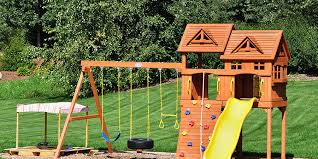
Building Your Own Outdoor Play Sets
Thinking about building your own outdoor play sets can seem like a big project, especially for folks just starting out. Lots of people wonder if it’s too tricky or if they need special skills. But don’t worry, it’s totally doable!
We’re going to walk through it step-by-step, making it easy to create fun and safe play areas for kids. Get ready to see how simple it can be.
Key Takeaways
- You can build safe and fun outdoor play sets yourself.
- Simple tools and common materials make building easier.
- Planning is important to make sure your play set is safe and durable.
- There are many designs to choose from, from simple to complex.
- Kids will love the special touch of a play set you built for them.
Planning Your DIY Outdoor Play Sets
Before you grab any tools, good planning is the first big step. It helps make sure your diy outdoor play sets are safe, strong, and exactly what you want. Thinking things through now saves a lot of headaches later.
It means looking at your space, figuring out what kind of play set fits, and what materials you’ll need. This stage is all about making a smart blueprint so your project goes smoothly from start to finish.
Choosing the Right Location
Picking where your play set will go is super important. You want a spot that’s safe for kids to play. It should be flat and clear of any hazards like big rocks or sharp objects.
Also, think about how much sun and shade the area gets. Too much sun can make swings and slides hot, and too much shade might keep things damp.
- Assess ground levelness. A level spot is crucial for stability. If the ground isn’t perfectly flat, you might need to do some minor grading or use shims to ensure the play set sits evenly. This prevents wobbling and potential tipping.
- Check for overhead obstructions. Make sure there are no low-hanging branches, power lines, or other things that kids could hit while playing. You need ample vertical and horizontal clearance for swings and active play.
- Consider visibility. Placing the play set where you can easily see the children playing is a good safety measure. This allows you to supervise them without constantly being right next to them.
Selecting Your Play Set Design
There are tons of cool designs for diy outdoor play sets. You can find plans online for simple swing sets, elaborate fort-like structures with slides, or even multi-level playgrounds. Think about the age of the children who will use it and how much space you have.
A smaller, simpler design might be better for toddlers, while older kids might enjoy more challenging features like climbing walls.
- Consider age appropriateness. A play set for a toddler should have lower heights and simpler features, like gentle slides and sturdy handrails. For older children, you might incorporate taller structures, more complex climbing elements, and higher swings.
- Factor in space limitations. Measure your available yard space accurately. Some designs require a larger footprint than others, especially those with multiple components and swing areas. Ensure there’s enough safety surfacing around the play set.
- Think about future needs. If you have younger children now but plan for more, or if your current children will grow into more advanced play, choose a design that can be adapted or expanded later. Some modular systems allow for adding on new features.
Gathering Your Tools and Materials
You don’t need a super fancy workshop to build your own play set. Most projects require basic tools like a saw, drill, measuring tape, and screwdriver. For materials, common lumber like pressure-treated pine or cedar is often used because it holds up well outdoors.
You’ll also need hardware like bolts, screws, and hinges. Always use galvanized or stainless steel hardware to prevent rust.
- Basic hand tools. Essential items include a hammer, handsaw, measuring tape, level, and a screwdriver set. These are often already in a home toolbox.
- Power tools. A power drill for making holes and driving screws is highly recommended. A circular saw or miter saw can make cutting wood much faster and more precise. Always wear safety glasses when using power tools.
- Safety equipment. This includes safety glasses to protect your eyes, work gloves to prevent splinters and cuts, and sturdy footwear. If you’re working at heights, a stable ladder is also a must.
Building the Foundation and Frame
Once you have your plan and materials, it’s time to start building. The foundation and frame are the backbone of your diy outdoor play sets. Getting this part right ensures everything else is stable and safe.
This involves setting posts securely in the ground and building the main structure that will support all the other fun parts.
Setting Support Posts
The support posts are what hold up your entire play set. They need to be very strong and set deep enough in the ground to prevent tipping. Most plans recommend digging holes at least 2 feet deep, and sometimes deeper depending on the height of the play set and the type of soil.
Filling the holes with concrete gives the posts extra stability.
- Digging post holes. The depth of your holes depends on the height of your play structure and local frost line. A common recommendation is to dig 1/3 of the post length into the ground. For example, if you have 8-foot posts and want 5 feet above ground, you’d dig 3 feet deep.
- Using concrete. After placing the posts in the holes, fill the holes with concrete. Ensure the posts are plumb (perfectly vertical) using a level before the concrete sets. Allow the concrete to cure completely, usually 24-48 hours, before building on it.
- Choosing post materials. Use pressure-treated lumber rated for ground contact or naturally rot-resistant woods like cedar or redwood. Metal post anchors can also be used, which lift the wood off the ground to prevent moisture damage.
Constructing the Main Frame
The main frame connects the support posts and forms the basic shape of your play set. This is often a sturdy rectangular or square structure. You’ll use strong beams and connect them securely with bolts and lag screws.
Making sure all connections are tight and square is key to a strong structure.
- Measuring and cutting beams. Accurately measure and cut the lumber for the horizontal beams that will span between your support posts. Double-check your measurements before cutting to ensure a perfect fit.
- Joining beams to posts. Use heavy-duty metal connectors, bolts, and lag screws to attach the beams to the support posts. This is where the structural integrity of the play set is established. Over-engineering these connections for strength is a good idea.
- Ensuring squareness. Use a large carpenter’s square or the 3-4-5 method (Pythagorean theorem) to ensure that the frame is perfectly square. A square frame is more stable and makes attaching other components easier and safer.
Adding Stability Features
To make sure your play set is extra safe, you’ll want to add stability features. This can include diagonal braces that connect the posts and beams. These braces prevent the structure from swaying side-to-side.
They are usually made of the same lumber you used for the frame and attach securely with screws.
- Diagonal bracing. Install sturdy diagonal braces between the vertical posts and horizontal beams. These braces form triangles, which are very strong shapes that resist racking and wobbling.
- Cross bracing. In larger play sets, you might also need cross bracing between vertical posts on the same side of the structure to prevent them from bowing inwards or outwards.
- Secure hardware. Use robust hardware such as lag bolts and washers for all bracing connections. Ensure the hardware is long enough to penetrate well into both pieces of wood for maximum holding power.
Adding Play Features
Now comes the fun part: adding all the features that make it a play set! This is where swings, slides, and climbing elements come into play. When attaching these, always follow the manufacturer’s instructions if you’re using pre-made components.
For DIY elements, ensure they are securely fastened and have smooth, safe edges.
Installing Swings
Swings are a classic. You’ll typically attach swing hangers to a strong horizontal beam at the top of your frame. Make sure the beam is robust enough to handle the stress.
The distance between the hangers should be appropriate for the swing seats you are using.
- Swing beam strength. Ensure the beam you’re attaching swing hangers to is strong enough. It should be appropriately sized lumber and well-supported by the posts. Consider doubling up beams for extra strength if needed.
- Hardware for hangers. Use heavy-duty swing hangers designed for outdoor use. These often come with a built-in bearing for smoother swinging. Secure them with robust lag bolts and washers.
- Swing chain and seat attachment. Attach swing chains securely to the hangers. Ensure the chain length is adjustable for different height needs. The swing seat should be attached firmly to the bottom of the chains, with no sharp edges.
Attaching Slides
Slides can be bought as complete units. You’ll need to create a sturdy platform or ramp for the top of the slide to connect to your play set frame. Make sure the angle of the slide is safe and that there’s plenty of clear space at the bottom for kids to land.
- Platform or ramp construction. Build a secure platform or ramp at the correct height for your slide. This needs to be strong enough to support the weight of children and the slide itself.
- Secure slide mounting. Follow the slide manufacturer’s instructions for mounting. Typically, this involves bolting the top of the slide to the platform and ensuring it’s stable. Use appropriate hardware to prevent it from shifting.
- Landing area. Ensure the area at the bottom of the slide is clear of obstacles. A soft landing surface, like wood chips or rubber mulch, is highly recommended for safety.
Incorporating Climbing Elements
Climbing walls, ladders, or rope ladders add an extra level of adventure. For a climbing wall, you’ll attach a panel to the frame and then screw on climbing holds. Make sure the holds are spaced safely and are easy for little hands to grip.
- Climbing wall construction. If building a climbing wall, use thick plywood and secure climbing holds with strong bolts that go all the way through the wood. Ensure holds are spaced to allow for safe progress.
- Ladder safety. For a ladder, ensure the rungs are evenly spaced and securely attached. A ladder angle that is too steep can be unsafe. Handrails on either side are a good addition for extra support.
- Rope elements. If adding rope ladders or swings, ensure the rope is strong, weather-resistant, and securely anchored. Check for any fraying regularly.
Safety Surfacing and Finishing Touches
Safety is always number one when building diy outdoor play sets. Proper safety surfacing can make a huge difference in preventing injuries from falls. These are materials like wood chips or rubber mulch that go under and around the play set.
Finally, a few finishing touches make the play set look great and last longer.
Choosing Safety Surfacing
The best safety surfacing is deep enough to cushion a fall. A depth of at least 9 to 12 inches is often recommended for materials like wood chips or shredded rubber. Avoid using loose gravel or hard materials that won’t provide much cushioning.
- Depth is key. The recommended depth for playground surfacing varies by material, but generally, 9-12 inches is a good starting point. This depth helps absorb impact effectively.
- Material options. Common options include wood chips, shredded rubber mulch, sand, and pea gravel. Each has pros and cons regarding cost, maintenance, and safety. Wood chips and rubber are often favored for their shock-absorbing qualities.
- Coverage area. The safety surfacing should extend at least 6 feet out in all directions from the play set, and even further for areas like swings. This ensures a safe landing zone no matter where a child might fall.
Protecting the Wood
To make your play set last longer and look good, you need to protect the wood. This usually involves applying a sealant or stain. These products help shield the wood from sun, rain, and insects.
Choose a non-toxic, child-safe finish.
- Sealers and stains. Apply a high-quality outdoor wood sealant or stain. These products protect the wood from moisture, UV rays, and decay, extending the lifespan of your play set.
- Non-toxic finishes. Always opt for child-safe, non-toxic finishes. Look for products labeled as low-VOC (volatile organic compounds) or specifically designed for playgrounds.
- Regular maintenance. Reapply sealant or stain as needed, typically every 1-3 years depending on the climate and product used. Inspect the wood regularly for signs of wear or damage.
Adding Fun Accessories
You can add extra fun with accessories like steering wheels, telescopes, or even a small chalkboard. These little additions make the play set more interactive and spark a child’s imagination. Make sure any accessories are securely attached and have no small parts that could be a choking hazard for younger children.
- Imagination boosters. Items like toy binoculars, steering wheels, or ship’s wheels can transform a simple play structure into a spaceship, pirate ship, or race car.
- Chalkboards and message boards. A small outdoor chalkboard or message board can be a great addition, allowing children to draw or leave messages. Ensure it’s securely mounted.
- Safety checks for accessories. Always ensure accessories are made of durable, non-toxic materials and are securely attached to prevent them from becoming loose or falling off. Check for sharp edges or pinch points.
Common Myths Debunked
Myth 1: DIY outdoor play sets are always cheaper than buying pre-made.
While sometimes they can be cheaper, it’s not always the case. The cost of lumber, hardware, tools, and finishes can add up. If you factor in the value of your time and the potential for mistakes that need fixing, a pre-made set might sometimes be more cost-effective, especially if you’re starting from scratch with tools.
However, for a custom design or to ensure high-quality materials, DIY can offer better value.
Myth 2: Building your own play set requires advanced carpentry skills.
This is a big myth that stops many people from even trying. While some complex designs might require more skill, many basic diy outdoor play sets can be built with just a few common tools and some basic measuring and cutting abilities. Plenty of simple plans are available that are perfect for beginners, often using straightforward joinery techniques.
Myth 3: Once built, a DIY play set needs constant repair.
This isn’t true if you build it correctly and use the right materials. Using pressure-treated lumber rated for ground contact, galvanized or stainless steel hardware, and applying protective finishes will create a durable structure. Regular checks and maintenance, similar to a store-bought set, will ensure it lasts for years.
Myth 4: DIY play sets are less safe than store-bought ones.
This is entirely dependent on the builder. If you follow well-designed plans, use quality materials, and prioritize safety in every step, a DIY play set can be just as safe, if not safer, than a pre-made one. You have complete control over the materials and construction, allowing you to reinforce weak points and ensure all edges are smooth.
Always check current safety standards for play structures.
Frequently Asked Questions
Question: How deep should I dig the holes for the support posts
Answer: For most play sets, digging holes about 1/3 of the post length is a good rule of thumb. For a 6-foot tall structure, this might mean digging holes 2-3 feet deep, depending on the post length.
Question: What kind of wood is best for outdoor play sets
Answer: Pressure-treated lumber is common because it resists rot and insects. Naturally resistant woods like cedar or redwood are also excellent choices, though they can be more expensive.
Question: Do I need to seal or paint the wood
Answer: Yes, sealing or staining the wood is highly recommended. It protects the lumber from sun, rain, and moisture, which prevents warping, cracking, and rot, making your play set last much longer.
Question: How much space should be around the play set for safety
Answer: A safety zone of at least 6 feet around the play set is recommended. This area should be clear of obstacles and ideally covered with safety surfacing like wood chips or rubber mulch.
Question: What if my yard isn’t perfectly level
Answer: You can level the area before building or use shims under the play set’s posts to ensure it sits evenly. A level structure is crucial for safety and stability.
Conclusion
Building your own diy outdoor play sets is a rewarding project. With careful planning and simple steps, you can create a safe, fun, and unique play space. Focus on strong foundations, secure connections, and child-safe finishes.
Your kids will love the special play set you created just for them.