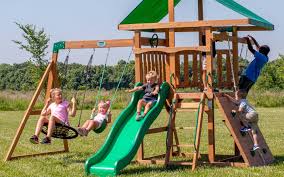
Finding Outdoor Playsets Home Depot Easy
Thinking about getting a playset for your backyard? You might be looking at options for outdoor playsets Home Depot offers. It can seem like a lot to figure out at first.
There are many choices, and picking the right one for your family might feel tricky. Don’t worry! We will walk you through it step by step, making it super simple.
Let’s get your kids playing outside.
Key Takeaways
- You will learn what makes Home Depot a good place to find outdoor playsets.
- We will cover different types of playsets available.
- You will find tips on choosing the best playset for your yard and budget.
- Discover how to check for safety features and quality.
- Learn about installation options and what to expect.
- Get advice on maintenance to keep the playset looking great.
Choosing Your Outdoor Playset at Home Depot
Home Depot is a popular spot for many people looking for outdoor playsets. This is because they have a wide selection, and you can often see them in person or get a good idea of their size and features online. For beginners, this wide choice can sometimes be overwhelming.
You might wonder which materials are best, what size fits your yard, or even how to put it all together. This section will help you understand what to look for so you can make a smart choice without feeling lost.
Types of Playsets Available
When you look at outdoor playsets Home Depot has, you’ll see a variety of styles. There are simple wooden forts, metal swing sets, and elaborate plastic play structures. Some are small and best for toddlers, while others are large enough for several kids to play at once.
Think about the age and number of children who will use the playset. Also, consider how much space you have in your yard. A small backyard might be perfect for a compact swing set, whereas a larger yard can accommodate a big playset with multiple activities like slides, swings, and climbing walls.
Wooden playsets are a classic choice. They often look very nice in a backyard and can be customized with different add-ons. However, wood needs regular maintenance to prevent rot and insect damage.
Metal playsets are usually durable and low-maintenance, but they can get hot in the sun. Plastic playsets are lightweight, easy to clean, and often have bright colors that kids love. They are also generally safer as they don’t have sharp edges.
Wooden Playsets
Wooden playsets are a favorite for their natural look and sturdiness. They can be built from different types of wood, like cedar, redwood, or pressure-treated pine. Cedar and redwood are naturally resistant to insects and decay, making them a great, long-lasting option.
Pressure-treated pine is more budget-friendly but requires sealing and regular checks for splinters.
These playsets often come with pre-cut pieces and clear instructions for assembly. Many models include features like swings, slides, climbing walls, and even sandboxes. The versatility of wood allows for a wide range of designs, from simple A-frame swing sets to complex fort structures with multiple levels.
- Durability: High-quality wood like cedar or redwood can last for many years if properly maintained.
- Aesthetics: Wooden playsets blend well with natural landscaping and can enhance your backyard’s appearance.
- Customization: You can often add extra features or paint wooden playsets to match your style.
Metal Playsets
Metal playsets, typically made from steel or aluminum, are known for their strength and longevity. They are a good option if you are looking for something that requires minimal upkeep. Steel frames are very strong and can support multiple swings and users.
Aluminum is lighter and rust-resistant, making it a good choice for humid climates.
These playsets often feature powder-coated finishes to prevent rust and chipping. They usually come with durable swings, slides, and other attachments. Metal playsets are generally easier to assemble than wooden ones, and they are less prone to warping or cracking over time.
- Strength: Metal frames can withstand heavy use and weather conditions.
- Low Maintenance: They usually just need occasional cleaning and checks for loose bolts.
- Safety: Ensure the metal is not too hot in direct sunlight; some models come with protective coatings.
Plastic Playsets
Plastic playsets are an excellent choice for younger children or for those who want a low-maintenance option. They are lightweight, easy to clean, and come in a variety of bright, engaging colors. Many plastic playsets are designed with rounded edges and safe, durable materials.
These playsets are often modular, meaning you can add or reconfigure different pieces. They might include small slides, climbing features, and playhouses. Because they are lighter, they can sometimes be a good option for rental properties or if you anticipate moving the playset in the future.
- Safety Features: Often designed with soft edges and non-toxic materials.
- Ease of Cleaning: A simple hose-down can keep them looking fresh and new.
- Affordability: Generally, plastic playsets can be more budget-friendly than wood or metal options.
Assessing Your Yard Space
Before you start looking at specific outdoor playsets Home Depot sells, measure your yard. You need to know how much room you have. Think about the total area the playset will take up, including the space around it for safe play.
Kids need room to swing without hitting fences or trees. They also need space to safely get on and off slides and climbing structures.
Consider the terrain of your yard. Is it flat, or does it have slopes? A playset is usually best on a level surface.
If your yard is uneven, you might need to do some grading or choose a playset designed to be installed on slightly sloped ground. Also, think about where the sun hits your yard during the day. You don’t want the playset to be in direct sun all day, especially the slide, as it can get very hot.
- Measure Carefully: Use a tape measure to get precise dimensions of the area where the playset will go.
- Allow Clearance: Ensure there are at least 6 feet of clear space around the entire playset, especially in front of slides and on the sides of swings.
- Check for Obstructions: Look out for overhead branches, fences, sheds, or utility lines that could interfere with play.
Budgeting for Your Playset
The cost of outdoor playsets Home Depot offers can vary a lot. Small swing sets might cost a few hundred dollars, while large, elaborate wooden playsets can cost several thousand. It’s important to set a budget before you start shopping.
This will help you narrow down your choices and avoid overspending.
Remember to factor in potential additional costs. These could include delivery fees, tools you might need for assembly, safety surfacing like wood chips or rubber mulch, and any accessories you might want, such as extra swings or a special seat for younger children. If you plan to hire someone to assemble the playset, add that cost to your budget as well.
Consider the long-term value. A more expensive, well-built playset made from durable materials might last longer and provide years of enjoyment. It’s often worth investing a bit more in quality and safety.
- Set a Price Range: Decide how much you are willing to spend before you begin browsing.
- Factor in Extras: Include costs for delivery, installation, safety surfacing, and accessories in your budget.
- Consider Lifespan: A higher initial cost for a durable playset can be more economical in the long run.
Safety First When Choosing Playsets
Safety is the most important thing when picking out outdoor playsets Home Depot has available. You want to make sure your children are safe while they play. Look for playsets that meet current safety standards.
These standards are set to prevent injuries from falls, entrapment, or equipment failure.
Check the materials used. Are they sturdy and well-made? Are there any sharp edges or points that could cause harm?
Are the openings on the playset safe, meaning a child’s head or limbs cannot get stuck? The right safety features will give you peace of mind and ensure happy playtime.
Understanding Safety Standards
Playsets are designed to be fun, but safety is paramount. In the United States, the Consumer Product Safety Commission (CPSC) provides guidelines for playground equipment. While Home Depot sells playsets from various manufacturers, they generally aim to offer products that adhere to these safety recommendations.
These guidelines cover aspects like fall heights, spacing of components, and entrapment hazards.
For example, the CPSC recommends a minimum of 6 feet of clear fall zone around any playground equipment. This area should be covered with shock-absorbing material like wood chips, sand, or rubber mulch, to a depth of at least 9 inches. Playsets should also have guardrails on elevated platforms and avoid openings where a child’s head or neck could become trapped.
- CPSC Guidelines: Familiarize yourself with the general safety recommendations from the Consumer Product Safety Commission.
- Entrapment Hazards: Look for openings that are either too small for a child’s head or large enough for a child to pass through completely. Avoid openings that fall in between these sizes.
- Fall Heights: Ensure the highest standing surface on the playset is within safe limits, and that the ground below is properly cushioned.
Materials and Construction Quality
The quality of materials and construction directly impacts the safety and longevity of an outdoor playset. For wooden playsets, look for smooth, splinter-free wood. Ensure all joints are securely fastened with appropriate hardware like galvanized bolts and screws, not nails, which can loosen over time.
Treated lumber should be certified safe for playground use.
Metal playsets should have sturdy frames with no signs of rust or sharp edges. Welds should be clean and strong. For plastic playsets, ensure the material is thick and durable, not brittle or prone to cracking.
All plastic parts should be UV-resistant to prevent fading and degradation from sunlight.
A well-constructed playset will feel stable and secure when assembled. Test components like swings and slides to ensure they move smoothly and are securely attached. Manufacturers that provide detailed assembly manuals and offer customer support are often a good sign of quality.
- Wood Integrity: Check for solid, knot-free wood and secure, non-rusting hardware.
- Metal Durability: Ensure metal components are powder-coated, well-welded, and free of sharp burrs.
- Plastic Resilience: Opt for thick, UV-protected plastic that resists cracking and fading.
Checking for Secure Hardware and Attachments
Loose hardware is a common cause of playground accidents. When inspecting a playset, pay close attention to how pieces are connected. Bolts should be fully tightened, and nuts should be secured with washers to prevent them from loosening due to vibration or use.
Some manufacturers use special caps to cover bolt ends, which also helps protect against accidental bumps and scrapes.
Swings should be attached with sturdy chains or ropes that are rated for outdoor use and can support the weight of children. The connection points where swings attach to the frame are critical. Ensure these are reinforced and designed to prevent the swing from accidentally detaching.
Similarly, slides should be firmly bolted to the platform and have smooth, safe entry and exit points.
- Bolts and Screws: Ensure all hardware is present, fully tightened, and protected where possible.
- Swing Chains/Ropes: Verify they are strong, weather-resistant, and securely attached to the frame.
- Slide Integration: Confirm the slide is firmly attached and has no sharp edges at the seams.
Assembling and Installing Your Playset
Putting together an outdoor playset can seem like a big project. Many of the outdoor playsets Home Depot carries are designed for home assembly. While some may require two people and a few basic tools, the instructions are usually quite clear.
If assembly feels too challenging, there are often professional installation services available.
Proper installation is key to safety. A playset that isn’t put together correctly can be wobbly or even dangerous. This part will guide you on what to expect during assembly, including tools you might need and the importance of following instructions carefully.
We will also touch on setting up a safe play area around the playset.
Tools and Preparation
Before you begin assembling your playset, gather all the necessary tools. Most kits will specify what you need, but common items include a socket wrench set, adjustable wrenches, screwdrivers, a level, a tape measure, and possibly a drill with appropriate bits. It’s also a good idea to have a rubber mallet on hand for gently tapping pieces into place.
Prepare the assembly area. Ensure you have enough space to lay out all the parts and work around the playset comfortably. Clear away any debris or obstacles.
If you’re assembling a wooden playset, it’s a good idea to have a tarp or drop cloth to protect the wood and your lawn from scratches or dirt.
Read through the entire instruction manual before you start. This will give you an overview of the process and help you anticipate any challenging steps. Sorting and organizing all the hardware according to the manual can save a lot of time and frustration during assembly.
- Gather Tools: Compile a list of required tools as specified in the manual.
- Clear Workspace: Ensure ample, flat space for assembly and part organization.
- Review Instructions: Read the entire manual beforehand to understand the assembly flow.
DIY Assembly vs. Professional Installation
Many people choose to assemble their playsets themselves to save money. If you are handy with tools and enjoy DIY projects, this can be a rewarding experience. Playset kits usually come with detailed, step-by-step instructions and all the necessary hardware.
However, it’s important to be realistic about the time and effort required. Some larger playsets can take an entire weekend or longer to build, especially if you’re working alone.
If DIY assembly feels too daunting, or if you’re short on time, professional installation is a great option. Home Depot often partners with third-party service providers who specialize in playset assembly. This service typically comes with an additional cost, but it ensures the playset is put together correctly and safely by experienced professionals.
This can provide significant peace of mind.
- DIY Benefits: Cost savings and personal satisfaction. Requires tools, time, and patience.
- Professional Installation Benefits: Ensures correct assembly, saves time, and offers peace of mind. Involves an extra fee.
- Check Service Options: Inquire at Home Depot or on their website about available assembly services for your chosen playset.
Creating a Safe Play Area
Once your playset is assembled, the final crucial step is to prepare the play area. This involves installing safety surfacing around the base of the playset. The purpose of this surfacing is to cushion falls and reduce the risk of serious injury.
Recommended depths vary by material, but generally, 9-12 inches of loose-fill material is advised.
Popular safety surfacing options include wood chips, shredded rubber mulch, sand, or pea gravel. Wood chips and rubber mulch are widely recommended by safety experts for their shock-absorbing qualities. Avoid using hard surfaces like concrete, asphalt, or packed dirt directly beneath the playset, as these offer no protection from falls.
Also, remember to maintain the safety surfacing. Loose-fill materials can compress over time or be displaced. You will need to periodically rake them to maintain their depth and ensure the entire fall zone is covered.
Regularly check for any debris or sharp objects that may have fallen into the surfacing.
- Shock-Absorbing Materials: Use wood chips, rubber mulch, sand, or pea gravel.
- Proper Depth: Maintain a depth of at least 9-12 inches of loose-fill material in the fall zone.
- Regular Maintenance: Rake and replenish surfacing periodically to ensure continued safety.
Maintaining Your Playset for Longevity
To keep your outdoor playsets Home Depot offers looking great and safe for years, regular maintenance is key. Like any outdoor structure, playsets are exposed to weather, sun, and constant use. A little care and attention can prevent small issues from becoming big problems and ensure your investment lasts.
This section will cover simple checks you can do regularly, how to clean your playset, and what to do if you notice any wear and tear. Following these tips will help your playset remain a source of fun for your children for a long time.
Regular Inspections
Set aside time for regular playset inspections, perhaps once a month or before periods of heavy use. During these checks, look for any loose bolts, screws, or hardware. Tighten anything that feels wobbly.
Inspect the wood for any signs of rot, cracking, or splinters, especially on high-traffic areas like ladder rungs or slide edges. For metal playsets, check for rust spots or flaking paint.
Examine the swings, ropes, and any other moving parts. Make sure chains are not worn or rusted through. Ropes should be checked for fraying.
Ensure slide connections are secure and that there are no sharp edges or cracks in the slide itself. Check the ground anchors if your playset is anchored into the ground to ensure they are still secure.
- Hardware Check: Tighten all bolts, screws, and connectors to prevent loosening.
- Structural Integrity: Inspect wood for rot/cracks and metal for rust/damage.
- Moving Parts: Ensure swings, ropes, and slides are in good condition and securely attached.
Cleaning and Weatherproofing
Keeping your playset clean is essential for both appearance and hygiene. For wooden playsets, a mild soap and water solution can be used to wash away dirt and grime. You might need a soft brush for stubborn spots.
After washing, rinse thoroughly with a hose and allow the wood to dry completely. For plastic playsets, a simple hose-down is usually sufficient. You can use a mild detergent and a soft cloth for tougher dirt.
To protect wooden playsets from the elements, consider applying a sealant or stain designed for outdoor wood. This helps prevent moisture damage, UV fading, and cracking. Reapply the sealant every 1-2 years, depending on your climate and the product used.
For metal playsets, touch up any rusted areas with a rust-inhibiting primer and paint to prevent further corrosion.
- Wood Cleaning: Use mild soap and water; rinse thoroughly and dry completely.
- Plastic Cleaning: A hose and mild detergent are usually sufficient.
- Wood Protection: Apply outdoor sealant or stain every 1-2 years.
Addressing Wear and Tear
Even with regular maintenance, parts of your playset may show signs of wear and tear over time. If you notice a splinter on a wooden playset, you can sand it down and reapply a protective coating. If a wooden component is significantly damaged or rotting, it may need to be replaced.
Many manufacturers sell individual replacement parts for their playsets.
For metal playsets, if paint is chipping, sand the area, apply a rust inhibitor, and then repaint to prevent further corrosion. If a plastic component cracks or breaks, it’s important to replace it immediately to ensure safety. Worn swing seats or ropes should also be replaced promptly.
Regularly checking your playset allows you to catch these issues early and address them before they become major safety concerns.
- Wood Repair: Sand down splinters and reapply sealant; replace severely damaged parts.
- Metal Refurbishment: Treat rust spots and repaint to prevent further corrosion.
- Component Replacement: Promptly replace worn or damaged swing seats, ropes, or plastic parts.
Common Myths Debunked
Myth 1: All playsets from big box stores are of equal quality.
This is not true. While Home Depot offers a wide range of options, the quality can vary significantly between different brands and models. Factors like the type of material used, the thickness of construction, hardware quality, and design all contribute to the overall durability and safety of a playset.
It’s important to research specific models and brands rather than assuming all options are the same.
Myth 2: Once assembled, a playset requires no further attention.
This is a common and dangerous misconception. Outdoor playsets are subject to wear and tear from weather, sun, and constant use. Regular inspections and maintenance are crucial to ensure the playset remains safe.
Loose hardware, decaying wood, or worn-out components can quickly turn a fun playset into a hazard if not addressed.
Myth 3: Safety surfacing is optional if the playset is not very tall.
This is false. Safety surfacing is recommended for all playgrounds, regardless of height. Even a fall from a low platform can cause serious injury, especially if the ground underneath is hard.
Shock-absorbing materials help cushion the impact of falls, significantly reducing the risk of head injuries and broken bones.
Myth 4: Cheaper playsets are always a good deal.
While budget is a consideration, the cheapest option is not always the best deal. Lower-priced playsets may use less durable materials or have simpler construction, which can lead to a shorter lifespan and increased maintenance costs. Investing in a slightly more expensive but well-made playset can often prove more cost-effective in the long run due to its durability and safety.
Frequently Asked Questions
Question: What is the best type of material for a backyard playset
Answer: The best material depends on your priorities. Wood offers a natural look and is durable if maintained, metal is very strong and low-maintenance, and plastic is lightweight, colorful, and easy to clean, making it great for younger kids.
Question: How much space do I need for a playset
Answer: You need to consider the playset’s footprint plus at least 6 feet of clear, safe fall zone around all sides, especially in front of slides and swings, to prevent accidents.
Question: Can I assemble a playset myself
Answer: Yes, many playsets are designed for DIY assembly with clear instructions. However, it often requires two people and basic tools. If you’re not comfortable, professional assembly is available.
Question: How often should I inspect my playset
Answer: It’s recommended to do a thorough inspection monthly and quick visual checks more often. Look for loose hardware, signs of wear, and damage to ensure ongoing safety.
Question: What kind of ground cover is best under a playset
Answer: Shock-absorbing materials like wood chips, shredded rubber mulch, sand, or pea gravel are best. They should be at least 9-12 inches deep to cushion falls effectively.
Final Thoughts
Finding the right outdoor playsets Home Depot offers is about balancing fun with safety and your budget. By looking at different types, checking quality, and planning for assembly and maintenance, you can choose a playset that your kids will love for years. Enjoy creating wonderful backyard memories.