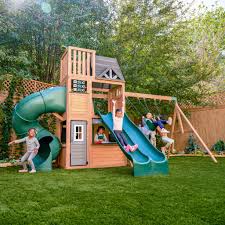
Outdoor Playsets Costco Buying Guide
Looking for fun outdoor playsets at Costco can feel a bit tricky at first. There are many options, and figuring out the best fit for your yard and your kids can be a puzzle. But don’t worry!
This guide will make it super simple. We’ll break down everything you need to know, step by step. Get ready to find the perfect playset without any stress.
Key Takeaways
- You’ll learn how to choose the right size playset for your space.
- We will explain the different types of materials used and their pros and cons.
- Discover essential safety features to look for in any playset.
- Get tips on how to compare prices and find the best deals on outdoor playsets costco.
- Understand the assembly process and what to expect.
- Learn about maintenance to keep your playset safe and fun for years.
Choosing Your Outdoor Playsets Costco
Finding the Perfect Size Playset
Deciding on the right size playset is super important for your backyard. You want something fun for the kids but also something that fits well without looking crowded. Think about how much open space you have.
Measure the area where you plan to put the playset. This includes space around it for safety, like a clear zone where kids can get off swings or slides without hitting anything. Also, consider the height of the playset.
If you have low-hanging branches or live under a flight path, a shorter playset might be a better choice.
Playsets come in all sorts of shapes and sizes. Some are small and compact, perfect for a cozy backyard. Others are large, multi-level structures with tons of features.
For beginners, it’s often best to start with a medium-sized playset. This gives you a good balance of fun activities without taking up too much room. Think about how many children will be using it regularly.
A larger family might need a bigger playset, while a smaller family could be happy with a more modest option. Looking at outdoor playsets costco online can give you a good idea of the dimensions available.
Backyard Space Considerations
Before you even look at specific playsets, take a good look at your backyard. Is it mostly flat, or does it have slopes? Most playsets are designed for level ground.
If your yard isn’t flat, you might need to do some groundwork to create a stable spot. This could involve digging out a small area or building up a level platform.
Think about shade too. Does the spot get a lot of direct sun, especially during the hottest parts of the day? While a sunny spot can be great, intense sun can make slides and swings too hot to touch.
You might want to position your playset where it gets some shade from trees or a nearby structure during peak sun hours. If shade is scarce, consider playsets with built-in canopies or shades.
Playset Types and Features
Costco often carries a variety of playset styles. You’ll find everything from simple swing sets to elaborate wooden fort structures. Some are made of wood, which looks natural and can be painted or stained to match your home.
Others are made of plastic, which is often lighter, easier to clean, and can be more resistant to rot and insects.
Consider the activities your children enjoy. Do they love to climb? Look for playsets with rock walls or climbing nets.
Are they thrill-seekers? A tall, winding slide might be perfect. Do they love imaginative play?
A fort-style playset with windows and a door can spark hours of make-believe. Many outdoor playsets costco also include features like steering wheels, telescopes, or chalkboards to add extra fun.
- Size Matters: Always measure your yard space. Ensure you have room for the playset plus safety zones around it.
- Activity Focus: Pick features that match your kids’ favorite activities, like climbing, swinging, or sliding.
- Material Choice: Wood offers a classic look, while plastic is low-maintenance. Consider durability and weather resistance.
- Sun Exposure: Plan for shade to keep surfaces from getting too hot.
Materials and Durability
Understanding Wood Playsets
Wooden playsets are a popular choice for many families. They often have a beautiful, natural look that blends well with outdoor environments. The most common wood used is cedar or redwood because these woods are naturally resistant to rot, decay, and insect damage.
This means your playset can last a long time, even when exposed to the elements.
When you buy a wooden playset, it usually comes as a kit with all the pieces pre-cut and ready for assembly. The wood is often sanded smooth to prevent splinters. However, to get the longest life out of your wooden playset, it’s a good idea to seal or stain it regularly.
This adds an extra layer of protection against moisture and UV rays, helping to prevent the wood from cracking or warping over time. It also allows you to customize the color to match your backyard decor.
Pros and Cons of Wood
The main advantage of wood is its aesthetic appeal and natural feel. It’s also a sturdy material that can support a lot of weight, making it safe for energetic play. Wooden playsets can often be expanded or modified later if you decide to add more features.
However, wood does require more maintenance than other materials. It needs regular inspection for any signs of wear, like loose boards or splinters. You’ll also need to reapply sealant or stain every few years.
Another thing to consider is the initial cost. High-quality wooden playsets can be more expensive upfront than their plastic counterparts. Also, some people find the assembly of wooden playsets to be more involved, as it often requires more tools and precise fitting of parts.
Despite these points, many people feel the beauty and natural quality of wood make it worth the extra effort and investment for outdoor playsets costco.
Exploring Plastic and Metal Options
Plastic playsets, often made from high-density polyethylene (HDPE), are becoming increasingly popular. They are generally lighter than wood and require very little maintenance. Plastic is resistant to rust, rot, and fading, making it a durable option that can withstand various weather conditions without significant degradation.
Many plastic playsets are molded in bright, fun colors that appeal to children.
Metal playsets, usually made from powder-coated steel, are also very durable. They are strong and can handle a lot of use. The powder coating helps prevent rust and chipping.
Metal swingsets, in particular, are a common sight, known for their stability and longevity. However, metal can get very hot in direct sunlight, which can be a safety concern for young children.
Durability and Maintenance Comparison
When comparing durability, both wood and plastic/metal have their strengths. A well-maintained wooden playset can last for decades. Plastic playsets are often guaranteed for many years against defects.
Metal playsets are also known for their long lifespan.
Maintenance is where plastic and metal often win for busy families. Plastic playsets mostly need to be wiped down with soap and water to keep them clean. They don’t require sealing, staining, or painting.
Metal playsets might need occasional checks for rust spots, especially at connection points, and the coating might need touch-ups if it chips. Wooden playsets, as mentioned, need more attention. Regular inspections for splinters, loose screws, and the need for resealing are essential to keep them safe and looking good.
- Cedar/Redwood: Naturally insect and rot resistant, beautiful look, requires sealing/staining.
- Plastic (HDPE): Low maintenance, weather-resistant, bright colors, can be lighter and less sturdy than wood.
- Metal (Steel): Very strong, durable, can get hot in sun, might need rust checks.
- Maintenance Needs: Plastic is easiest, followed by metal, then wood.
Safety First Features
Essential Safety Certifications
When looking at outdoor playsets costco, always check for safety certifications. The most common and important one in the United States is the ASTM International F1148-19 standard. This standard covers the safety of residential playground equipment.
It addresses things like fall heights, entrapment hazards, structural integrity, and the spacing of components to prevent children from getting their heads or limbs stuck.
Manufacturers that adhere to these standards show a commitment to producing safe products. You can usually find information about certifications on the product packaging, the manufacturer’s website, or sometimes even on the product description on Costco’s website. If you can’t find this information easily, it’s a good sign to ask questions or look for other options.
Prioritizing certified safety equipment means you’re giving your children the best protection while they play.
Fall Zones and Surfacing
A crucial safety aspect of any playset is the area around it, known as the fall zone. This is the space where a child might fall off the equipment. It’s essential to have soft, impact-absorbing material in this zone.
Common surfacing materials include wood chips, shredded rubber mulch, sand, or pea gravel.
The depth of the surfacing material is also critical. For example, wood chips typically need to be at least 12 inches deep in the fall zone to provide adequate protection. The fall zone itself should extend at least 6 feet in all directions from the playset’s perimeter.
This means you need to plan for a significant amount of space around the equipment, not just the footprint of the playset itself. Never place a playset on hard surfaces like concrete or asphalt, as falls from even a small height can cause serious injury.
Design Elements for Safety
Beyond certifications and surfacing, the design of the playset itself plays a huge role in safety. Look for smooth edges and rounded corners to prevent scrapes and cuts. There should be no exposed hardware, like bolt ends that stick out, that could snag clothing or skin.
Railings on platforms and ladders should be sturdy and provide adequate support.
When it comes to slides, ensure they have high enough side walls to keep a child from falling off. The bottom of the slide should also have a clear run-out area so the child can slide off smoothly without hitting anything. For swings, the distance between the swing seats and the ground, as well as the distance between adjacent swings, is important to prevent collisions.
Many outdoor playsets costco have these details designed with child safety in mind.
Guardrails and Enclosures
Guardrails are essential for any elevated platform on a playset, such as those found on forts or clubhouses. These rails should be at least 26 inches high and have spacing between the uprights that prevents a child from fitting through. For very young children, even tighter spacing might be necessary.
Some larger playsets might have enclosed areas or nets. These should be designed to prevent a child from getting trapped inside. For instance, nets should have openings large enough for a child to easily get out of, and enclosed spaces should have clear visibility and access points.
- ASTM F1148-19: Look for this certification for assurance of safety standards.
- Impact Surfacing: Always use soft materials like wood chips or rubber mulch in the fall zone, at least 12 inches deep.
- Fall Zone Radius: Ensure a clear area of at least 6 feet around the entire playset.
- Smooth Edges: Check for rounded corners and no protruding hardware.
- Guardrails: Platforms should have sturdy guardrails with appropriate spacing.
Assembly and Installation
What to Expect During Assembly
Assembling a playset, especially one purchased from a large retailer like Costco, can seem like a big project. Most playsets come in a large box, containing many pieces of wood, metal, or plastic, along with bags of hardware. The instructions are usually very detailed, with diagrams and step-by-step guides.
It’s important to have a clear, flat workspace where you can lay out all the parts before you begin.
Many people find it helpful to have a second person assist with assembly. This is especially true when lifting heavy wooden beams or holding pieces in place while others are being secured. Having a helper can make the process faster and safer.
Take your time, read each step carefully, and double-check that you are using the correct hardware for each connection. Rushing can lead to mistakes that might compromise safety or stability.
Tools You Might Need
The specific tools required will vary depending on the playset model. However, common tools include a drill with various drill bits, screwdrivers (both Phillips and flathead), wrenches or socket sets, a level, a tape measure, and possibly a rubber mallet. Some kits might also require specialized tools like a hex key (Allen wrench), which is often included.
It’s a good idea to gather all your tools before you start. Having everything at hand will prevent you from having to stop mid-assembly to search for a missing tool. Many manufacturers will list the required tools in the product manual or on their website.
Check this list before your playset arrives so you can be fully prepared.
Site Preparation and Leveling
Before you even open the box, preparing the site is crucial for a safe and stable playset. As mentioned earlier, the ground needs to be level. If your intended spot is sloped, you’ll need to level it.
This can involve digging into a slope or building up a level area. A level surface ensures the playset sits evenly, preventing it from becoming wobbly or tipping over.
Clear the area of any rocks, roots, or debris that could interfere with installation or create a tripping hazard. Also, ensure there are no underground utilities in the area where you plan to dig for anchors, if your playset requires them. It’s wise to call your local utility company to mark any underground lines before you start any digging.
Anchoring for Stability
For many playsets, especially those with swings, anchoring them to the ground is a vital safety step. This prevents the playset from tipping or shifting during vigorous use. Anchoring kits usually come with the playset, and they often involve stakes that are driven into the ground and attached to the playset’s frame.
Some larger wooden playsets might require concrete footings for the main support posts.
Follow the manufacturer’s instructions precisely for anchoring. Incorrectly anchored playsets can be a significant safety hazard. If you are unsure about the anchoring process, consider hiring a professional installer or consulting with someone experienced in playground construction.
Proper anchoring ensures the playset remains stable and secure for years of play.
- Two-Person Job: Assembly is much easier and safer with an assistant.
- Read Instructions Carefully: Take your time and follow each step precisely.
- Gather Tools: Have all necessary tools ready before you start building.
- Level Ground: Ensure the installation site is perfectly flat for stability.
- Anchoring is Key: Secure the playset to the ground as per the manufacturer’s guidelines.
Maintenance and Longevity
Regular Inspections for Safety
Once your outdoor playset costco is assembled and installed, the work isn’t entirely done. Regular maintenance is key to ensuring it remains safe and lasts for a long time. The most important part of this is regular inspection.
You should inspect the playset at least twice a year, and more often if it experiences heavy use or extreme weather conditions.
During your inspections, look for any signs of wear and tear. Check all bolts, screws, and fasteners to make sure they are tight. Look for any loose or wobbly parts.
Inspect the wood for any signs of splintering, cracking, or rot. For plastic parts, check for cracks or brittleness. For metal parts, look for rust or damage to the coating.
Also, check the swing chains and seats for wear. Any issues found should be addressed promptly.
Cleaning and Protective Coatings
Keeping your playset clean is not only about appearance but also about preventing damage and ensuring hygiene. For wooden playsets, after cleaning, you’ll need to reapply a sealant or stain every few years. This protects the wood from moisture and UV rays, which can cause it to deteriorate.
Use a high-quality outdoor wood sealant designed for playground equipment.
Plastic and metal playsets are easier to clean. A simple wash with mild soap and water will usually do the trick. For plastic playsets, avoid abrasive cleaners that could scratch the surface.
For metal, if you notice any small rust spots, you can often sand them lightly and touch them up with a rust-inhibiting paint to prevent further corrosion. Keeping the area around the playset clear of leaves and debris also helps prevent moisture buildup.
Extending Playset Life
Beyond regular checks and cleaning, there are other things you can do to extend the life of your playset. For wooden playsets, consider covering them during the off-season if you live in an area with harsh winters or heavy rainfall. This can protect the wood from excessive moisture and UV exposure.
Ensure the cover is breathable to prevent mold and mildew growth.
For all types of playsets, avoid overloading them. While they are designed for play, excessive weight or roughhousing beyond their intended use can shorten their lifespan. Educate your children on how to use the playset safely and respectfully.
This includes not pushing too hard on railings, not jumping off moving swings, and not overcrowding play structures.
Seasonal Care and Storage
Seasonal care is especially important for wooden playsets. In the spring, after the last frost, it’s a good time for a thorough inspection and to reapply sealant if needed. In the fall, before the cold and wet weather sets in, give it a good cleaning and consider covering it.
If you have detachable parts, like some swing seats or canopies, you might consider storing them indoors during the winter to protect them from the elements.
Even for plastic and metal playsets, a good seasonal cleaning can make a difference. Removing any accumulated dirt, leaves, or sap can prevent staining and deterioration. For metal, ensure that any drainage holes are clear so water doesn’t get trapped and cause rust from the inside out.
Proper care ensures your investment remains a source of fun for many years.
- Twice-Yearly Inspections: Check for loose parts, splinters, cracks, and rust regularly.
- Tighten Hardware: Ensure all bolts and screws are snug to maintain stability.
- Wood Sealant: Reapply protective coatings to wooden playsets every few years.
- Cleaning: Wash plastic and metal with mild soap and water.
- Off-Season Protection: Consider covering or storing parts of the playset during harsh weather.
Common Myths Debunked
Myth 1: All playsets are built to the same safety standards.
This is not true. While many manufacturers follow safety guidelines, only those that meet recognized standards like ASTM F1148-19 have been tested and certified to comply. It’s important to look for these certifications to ensure the playset has undergone rigorous safety checks.
Myth 2: Wooden playsets are always more expensive than plastic ones.
While high-quality wooden playsets can have a higher initial price tag, the cost can be comparable to durable plastic playsets. Furthermore, the longevity and aesthetic appeal of wood can make it a worthwhile investment. The cost also depends heavily on the brand, size, and features included.
Myth 3: Once a playset is assembled, it’s safe indefinitely.
Playsets, like any outdoor equipment, experience wear and tear over time. Regular maintenance and inspections are crucial for ongoing safety. Parts can loosen, wood can degrade, and surfaces can wear down, all of which require attention to prevent potential hazards.
Myth 4: Assembling a playset is too difficult for the average person.
While some playsets are more complex than others, most kits are designed for home assembly. With clear instructions, the right tools, and often a helping hand, most people can successfully build a playset. It requires patience and careful attention to detail rather than specialized skills.
Myth 5: The ground beneath a playset doesn’t need special attention.
This is a dangerous myth. The area around a playset, known as the fall zone, must be covered with impact-absorbing material like wood chips or rubber mulch. This surfacing is critical for reducing the severity of injuries from falls, which are common in playground activities.
Frequently Asked Questions
Question: Where is the best place to buy outdoor playsets costco?
Answer: Costco is a great place to start because they often have a good selection, competitive pricing, and their return policy is usually very consumer-friendly. However, other large retailers and specialized playground stores also offer a variety of options to compare.
Question: How much space do I really need around a playset?
Answer: You need a safety zone, or fall zone, of at least 6 feet in every direction around the playset. This space should be covered with soft surfacing material like wood chips to cushion potential falls.
Question: Is it better to get a wooden or plastic playset?
Answer: It depends on your priorities. Wood offers a natural look and can be sturdy but requires more maintenance. Plastic is low-maintenance, weather-resistant, and often brightly colored, but might not have the same aesthetic appeal for some.
Question: How often should I inspect my child’s playset?
Answer: It’s recommended to do a thorough inspection at least twice a year, typically in the spring and fall. Check more frequently if the playset is used very often or experiences extreme weather.
Question: Can I assemble a playset by myself?
Answer: While some smaller, simpler playsets might be manageable alone, most larger playsets are much easier and safer to assemble with at least one helper. Lifting heavy components and holding parts in place are common challenges for solo builders.
Final Thoughts
Choosing outdoor playsets costco involves checking size, material, and safety features. Prioritize certified equipment and proper fall zones. Careful assembly and regular maintenance ensure lasting fun.
You can find a wonderful playset that brings joy to your yard for years to come.