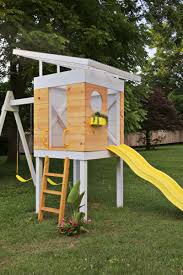
Outdoor Playsets DIY A Beginner’s Guide
Building an outdoor playset yourself might seem like a big job, especially if you’re new to projects like this. The idea of gathering all the materials and putting them together can feel a little overwhelming. But don’t worry!
With a good plan, it’s totally doable. We’re going to walk you through everything step-by-step. You’ll see how easy it can be to create a fantastic play space for your kids right in your own backyard.
Let’s get started and find out how to make it happen.
Key Takeaways
- You will learn about the benefits of building your own outdoor playset.
- Understand the basic tools and materials needed for a DIY project.
- Discover simple design ideas suitable for various skill levels.
- Find out how to safely assemble your playset.
- Get tips on maintaining your playset for long-lasting fun.
Why Build Your Own Outdoor Playset
Choosing to build your own outdoor playset offers a unique set of advantages that buying a pre-made one often can’t match. For many families, the primary driver is cost savings. When you take on the labor yourself, you eliminate the markups associated with retail.
This means you can often get a larger, more robust, or more customized playset for the same budget. It’s also about creating something truly special. You can design a playset that perfectly fits your backyard space, your children’s ages, and their specific interests.
Imagine adding a custom-shaped slide or a unique climbing wall that you wouldn’t find in a store. This personalization makes the playset not just a toy, but a reflection of your family’s style and your child’s imagination. Plus, the sense of accomplishment from completing a large DIY project is incredibly rewarding.
It’s a project that can even involve older children, teaching them valuable skills and fostering a sense of pride in their home.
The process of DIY also gives you complete control over the materials used. You can choose sustainable wood, non-toxic finishes, and durable hardware, ensuring the safety and longevity of the playset. This is a significant benefit for parents concerned about the environmental impact or the potential health effects of certain manufactured materials.
You can prioritize quality and durability in every component. This level of oversight is usually not possible with commercial products where the exact sourcing and treatment of materials might be less transparent. Therefore, for families looking for affordability, personalization, and superior material quality, the DIY route for outdoor playsets is an excellent option.
Material Selection for Durability
The type of wood you choose is critical for the longevity of your outdoor playset. Cedar and redwood are excellent choices because they are naturally resistant to rot, decay, and insects. This means they will withstand outdoor elements better and require less maintenance over time.
Cedar, in particular, has a beautiful natural color and a pleasant aroma, making it a popular choice. Redwood is also very durable and visually appealing, though it can be more expensive. Pressure-treated lumber is another option that is treated to resist rot and insects.
However, it’s important to ensure that the treatment chemicals are safe for children and to allow the wood to dry thoroughly before use. Always look for lumber that is rated for ground contact if any part of the playset will touch the soil.
Beyond the wood itself, the hardware you use makes a big difference. Galvanized or stainless steel bolts, screws, and washers are essential. These materials resist rust and corrosion, which is crucial for outdoor structures exposed to rain and humidity.
Using the right fasteners prevents the playset from weakening over time due to rust damage. For instance, standard steel screws might rust quickly, leaving streaks and compromising the structural integrity. Galvanized options provide a protective zinc coating, while stainless steel offers superior corrosion resistance, though at a higher price point.
For swinging components, heavy-duty swing hangers and eye bolts are necessary. Ensure they are rated for the weight they will support, including dynamic forces from swinging children.
- Choosing rot-resistant woods like cedar or redwood extends the playset’s life.
- Using galvanized or stainless steel hardware prevents rust and corrosion.
- Consider the weight and size of your intended playset when selecting lumber.
These woods naturally repel insects and moisture, meaning they won’t degrade as quickly when exposed to weather. This reduces the need for frequent repairs or replacements, saving you time and money in the long run. The natural oils in these woods also act as a protective barrier.
Rust weakens metal components, making them unsafe. Stainless steel or galvanized hardware will maintain its strength and appearance, even after years of exposure to rain and humidity. This is vital for the safety of all the connections holding the playset together.
Larger, more elaborate structures require stronger, thicker lumber to ensure stability and safety. For instance, main support beams should be significantly more robust than smaller decorative elements. Improperly sized lumber can lead to structural failure, especially under the stress of active play.
Essential Tools for the Job
Having the right tools makes any DIY project smoother and safer. For building an outdoor playset, you’ll need some basic woodworking tools. A good quality circular saw or a miter saw is essential for accurately cutting lumber to size.
A tape measure and a pencil are crucial for precise marking. A level will ensure your structure is stable and safe. You’ll also need a drill/driver for pre-drilling holes and driving screws.
This tool is a workhorse for any construction project. Safety glasses are non-negotiable to protect your eyes from sawdust and flying debris. Gloves can help prevent splinters and protect your hands.
Beyond the basics, a few other tools can be very helpful. A socket wrench set is useful for tightening bolts securely. If you plan to sink posts into the ground, a post hole digger or an auger attachment for your drill will save a lot of effort.
Sandpaper or a power sander will be needed to smooth rough edges and prevent splinters, especially on areas children will touch. Measuring squares or speed squares are invaluable for ensuring cuts are perfectly straight and angles are accurate. Having a sturdy workbench or sawhorses will make cutting and assembling pieces much easier and safer.
Think of these tools as your partners in creating a beautiful and safe playset.
Tool List Summary
| Tool | Purpose | Importance |
|---|---|---|
| Circular Saw / Miter Saw | Cutting lumber | Essential for accurate cuts |
| Drill/Driver | Driving screws, pre-drilling | Speeds up assembly, prevents wood splitting |
| Tape Measure | Measuring lumber and spaces | Ensures correct dimensions |
| Level | Ensuring structures are plumb and level | Crucial for stability and safety |
| Safety Glasses | Eye protection | Non-negotiable for safety |
| Socket Wrench Set | Tightening bolts | Securely fastens larger components |
Simple Playset Design Ideas for Beginners
When you’re starting out with outdoor playsets diy, it’s smart to begin with a simple design. A basic A-frame swing set is a great project for beginners. It consists of two upright posts connected at the top by a beam.
This structure is relatively straightforward to build and requires minimal complex cuts. You can then attach swing chains and seats to the top beam. Another easy option is a small platform or fort with a simple ladder.
This involves building a square or rectangular deck and adding a ladder to access it. The complexity can be increased later by adding a slide or a roof. Focusing on stability and safety is key for these initial designs.
Consider a playset with a small footprint. This makes it easier to manage materials and assembly, especially in smaller backyards. A simple wooden fort with a single platform at a manageable height, say 3-4 feet off the ground, is very achievable.
You can add a simple ramp or a short ladder for access. The railing around the platform is important for safety. For a bit more excitement, you could add a simple bucket pulley system to lift small toys or water.
This adds an interactive element without adding significant structural challenges. The goal is to create something that looks good, is safe, and provides hours of fun without overwhelming your DIY skills.
Designing for Safety First
Safety should be the absolute top priority in every decision you make for your outdoor playset. This starts with the design itself. Avoid sharp corners and edges.
All wood should be sanded smooth to prevent splinters. Consider the height of platforms and slides. For younger children, lower platforms are safer.
Ensure there is adequate fall zone space around the playset. This means clear, soft ground like wood chips, sand, or rubber mulch extending several feet in every direction. Avoid placing the playset near fences, trees, or other hard structures that children could hit if they fall.
The distance between playground components is also important. For example, there should be enough space between swings so they don’t collide.
The structural integrity of the playset is paramount. All connections must be secure and use appropriate hardware. For a wooden playset, this means using galvanized or stainless steel lag screws and bolts, not just nails.
Pre-drilling holes for screws and bolts prevents the wood from splitting and ensures a tighter fit. If you are sinking posts into the ground, ensure they are set deeply enough and secured with concrete for maximum stability. The maximum weight capacity of the playset should be considered in the design.
Ensure that the materials and construction can safely support the number of children and their approximate weight during vigorous play. Regularly checking the playset for any loose parts, wear and tear, or structural damage is a vital part of ongoing safety.
- Ensure sufficient fall zone cushioning around the playset.
- Railing height and spacing are critical for preventing falls from platforms.
- All structural joints must be strong and secure, using appropriate hardware.
This soft material absorbs impact if a child falls, significantly reducing the risk of serious injury. The recommended depth and width of the fall zone vary based on the height of the equipment, so research these guidelines. A well-maintained fall zone is as important as the structure itself.
Rails should be high enough to prevent children from climbing over and spaced closely enough so that a child cannot slip through. Standard guidelines suggest a minimum railing height of 30-36 inches for platforms and baluster spacing of less than 4 inches.
This includes using bolts with washers for significant connections rather than just screws. This ensures that the forces of play are distributed effectively and the structure remains stable over time. Regular inspection of these joints is key to ongoing safety.
Sample Playset Design Plans
- Simple A-Frame Swing Set
This design involves two sturdy posts angled outwards at the base for stability, connected at the top by a strong horizontal beam. It’s ideal for holding one or two swings. The angled posts add extra support, reducing the need for deep concrete footings for lighter models. The horizontal beam needs to be securely bolted to the tops of the posts, often with angled bracing for added strength. - Basic Wooden Fort with Ladder and Slide
This plan starts with a square or rectangular platform, typically 4-6 feet high. It requires four corner posts securely anchored in the ground. A floor frame is built on top of these posts, covered with deck boards. A simple ladder is attached to one side for access, and a pre-fabricated slide can be bolted to another side. A safety railing surrounds the platform. - Log Cabin Style Playhouse
This design uses horizontal logs or lumber stacked like a log cabin to form the walls of a small playhouse. A simple peaked roof can be added. It might not involve high platforms, making it suitable for very young children. The focus is on creating an enclosed, imaginative space. Stability is achieved through interlocking wall designs and strong corner connections.
Building Your Outdoor Playset Step-by-Step
Once you have your design and materials ready, the actual building process begins. Start by preparing your site. Clear the area where the playset will stand and mark out the locations for any ground posts.
If your design requires digging holes for posts, do this first. Make sure the holes are deep enough according to local building codes and the height of your playset, generally about one-third of the post length. Set the posts in concrete, ensuring they are plumb (perfectly vertical) using a level, and let the concrete cure fully.
This is a critical step for the stability of the entire structure.
With the main supports in place, you can begin assembling the frame. Attach horizontal beams and cross supports according to your plans. Use appropriate hardware like lag screws and bolts with washers.
Double-check that everything is square and level as you go. Once the main frame is solid, you can add features like platforms, ladders, and slides. Sand down all surfaces to remove any rough spots or splinters.
Finally, attach any accessories like swings, steering wheels, or telescopes. Before allowing children to play, do a thorough safety check of the entire structure. Test all connections and components to ensure they are secure and stable.
Assembling the Main Frame
The main frame is the backbone of your entire outdoor playset. For a swing set, this typically means connecting the upright posts to a top beam. Ensure the posts are set securely and are perfectly vertical.
When attaching the top beam, use large lag screws or bolts, drilling pilot holes first to prevent splitting the wood. Consider adding angled braces from the posts to the top beam for extra stability. These braces are usually cut at 45-degree angles and attached with screws.
For a fort structure, the frame might involve creating a sturdy box on top of the ground posts. This often involves building a perimeter frame with joists running across it, much like building a small deck.
The connections are where most structural failures occur if not done correctly. Always use hardware that is rated for outdoor use and the expected load. Galvanized or stainless steel is a must.
For significant structural joints, use bolts that go all the way through the wood, secured with washers on both sides and a nut. This provides the strongest possible connection. Regularly inspect these connections over time.
Wood can shrink and expand with changes in temperature and humidity, which can sometimes loosen hardware. Tightening bolts periodically ensures the playset remains safe and sound.
- Secure Ground Posts (if applicable)
Dig holes to the required depth, place posts, and fill with concrete. Use a level to ensure they are perfectly vertical before the concrete sets. Allow ample time for curing, typically 24-48 hours depending on weather conditions. - Attach Horizontal Beams
Position the main horizontal beams (e.g., the top beam of a swing set or the joists for a fort floor) onto the upright posts. Pre-drill pilot holes and secure with large lag screws or bolts. Ensure beams are level. - Install Diagonal Bracing
Add angled braces to key structural points, like where posts meet beams, to prevent swaying and increase rigidity. Cut braces accurately and secure them with screws or bolts. This is especially important for taller structures.
Adding Features and Finishing Touches
Once the main frame is solid, it’s time to add the fun parts! If you’re building a fort, now is when you’ll attach the platform floor. Lay deck boards across the joists, leaving small gaps for drainage, and secure them with screws.
Next, add the ladder or ramp for access. Ensure the ladder rungs are spaced appropriately for children’s feet and that it is securely attached to the platform and the ground. For a slide, follow the manufacturer’s instructions for attaching it to the platform; this usually involves bolting it securely.
Remember to add safety railings around any raised platforms to prevent falls. These should be at least 30-36 inches high with balusters spaced no more than 4 inches apart.
Finishing touches make the playset not only functional but also look great and feel safe. Sand down every edge and surface that children might touch. This removes splinters and makes the wood feel smooth.
You can apply a sealant or stain to protect the wood from UV rays and moisture, extending its life and maintaining its appearance. Choose non-toxic, child-safe finishes. For swings, attach them using heavy-duty swing hangers that are designed for this purpose.
Ensure the chains or ropes are the correct length and securely fastened. Adding fun accessories like a steering wheel, telescope, or chalk board can enhance imaginative play. Always do a final walk-around inspection to check for any loose parts or potential hazards before the first play session.
- Sand all surfaces thoroughly to prevent splinters.
- Apply a child-safe sealant or stain to protect the wood.
- Install accessories like swings securely, using appropriate hardware.
This is a critical safety step, especially for areas children will touch frequently like railings, ladders, and seats. Use medium-grit sandpaper, followed by fine-grit for a smooth finish. Pay extra attention to edges and corners.
This not only preserves the wood’s appearance but also protects it from weathering, rot, and insect damage. Look for products that are water-based and have low VOCs (volatile organic compounds).
Swing hangers should be heavy-duty and rated for the intended weight. Ensure chains or ropes are properly attached and the swing is at a safe height, with adequate clearance from the ground and other structures.
Maintaining Your DIY Outdoor Playset
Just like any outdoor structure, your DIY playset will need regular maintenance to keep it safe and in good condition for years to come. The most important aspect of maintenance is regular inspection. At least twice a year, and ideally more often, give your playset a thorough once-over.
Check all hardware—bolts, screws, nuts—to ensure they are tight. Over time, wood can expand and contract, and vibrations from play can loosen fasteners. If you find any loose hardware, tighten it immediately.
Also, look for any signs of wear and tear on the wood, such as cracks, splinters, or rot. Pay close attention to areas that are in contact with the ground or are frequently used, like ladder rungs and swing seats.
Cleaning your playset is also a key part of maintenance. Periodically brush off dirt and debris. If it gets particularly dirty or develops mildew, you can clean it with a mild soap and water solution.
Avoid harsh chemicals, as they can damage the wood or the finish. Ensure the playset dries completely after cleaning. Refinishing the wood is another important step.
Depending on the type of wood and the finish you applied, you may need to reapply a sealant or stain every few years to maintain its protective qualities and appearance. If you notice any significant damage, like a cracked support beam or a rotted section of wood, it’s crucial to repair or replace it promptly to maintain the playset’s safety and structural integrity.
Regular Safety Inspections
Performing regular safety inspections is non-negotiable for any outdoor playset, especially one you built yourself. Think of it as a doctor’s visit for your playset. Schedule these inspections at least twice a year, perhaps in the spring before heavy use begins and again in the fall.
During an inspection, check every bolt, screw, and fastener to ensure it is tight. Use a wrench to gently test the tightness of nuts and bolts. Also, look for any signs of rust or corrosion on the hardware.
Examine the wood for any splintering, cracking, or soft spots that could indicate rot. Pay special attention to high-stress areas like the connection points of swing hangers, the base of support posts, and ladder rungs.
Check the condition of the fall zone material. Ensure it is still deep enough and free of debris like rocks or branches. You may need to rake it or add more material periodically to maintain its cushioning effectiveness.
Inspect the integrity of any slides, swings, or other accessories. Make sure they are securely attached and free from cracks or damage. If any part of the playset shows significant wear or damage, it needs to be addressed immediately.
Safety is an ongoing process, and regular inspections are your first line of defense against potential hazards.
- Inspect all hardware for tightness and signs of rust.
- Examine wooden components for cracks, splinters, or rot.
- Check the integrity and depth of the fall zone material.
Loose hardware is a common cause of structural failure. Use a wrench to check each bolt and screw. Even a slight looseness can become a major issue over time with constant movement and stress.
Small cracks might be manageable, but significant ones or any signs of rot need immediate attention. Rotting wood loses its structural integrity and can be a safety hazard. Look for mushy texture or discoloration.
This cushioning layer is crucial for absorbing impact during falls. Ensure it’s still deep enough (typically 9-12 inches for loose-fill materials) and free of hazards like rocks or roots.
Repairing and Refinishing
When you notice minor issues during your inspections, prompt repair is essential. For example, if a bolt is loose, simply tighten it. If a small crack appears in a piece of wood, you might be able to reinforce it with an additional bracket or, in some cases, wood filler designed for outdoor use.
However, if a major structural component like a support post or a main beam is cracked or rotting, it should be replaced entirely. Attempting to patch severely damaged wood can be unsafe. Always use appropriate hardware and materials when making repairs.
If you are replacing a piece of wood, try to use the same type of lumber for consistent strength and durability.
Refinishing your playset periodically is a great way to protect your investment and keep it looking good. The sun’s UV rays and moisture can break down wood fibers and fade finishes. Typically, you’ll want to reapply a sealant or stain every 2-3 years, depending on your climate and the product used.
Before refinishing, clean the playset thoroughly and lightly sand any rough spots or areas where the old finish has peeled. This prepares the surface for the new coat and ensures better adhesion. Choose high-quality, child-safe exterior finishes.
This simple maintenance step can significantly extend the life of your playset and keep it looking as good as new.
Common Repair Scenarios
- Loose Bolts: Simply tighten with a wrench. If the hole has become enlarged, consider using a slightly larger bolt or adding a washer to take up the slack.
- Minor Wood Cracks: For superficial cracks, apply an exterior-grade wood filler, sand smooth once dry, and reapply sealant. Deep cracks might require a reinforcing metal bracket.
- Rotting Wood: If a small section is affected, you might be able to cut out the rotten part and splice in a new piece of wood. However, significant rot in structural beams or posts necessitates replacement of the entire component.
- Worn Swing Seats or Chains:
Common Myths Debunked
Myth 1: DIY Playsets Are Always Cheaper
While DIY playsets can be significantly cheaper, it’s not always the case. The cost depends heavily on your material choices, the complexity of your design, and whether you already own many of the necessary tools. High-quality lumber like cedar or redwood can be expensive.
If you need to buy every tool from scratch, the initial investment can be substantial. However, by carefully planning, sourcing materials wisely, and opting for simpler designs, you can almost always achieve a better value proposition than buying a comparable pre-made playset.
Myth 2: Building a Playset Requires Professional Carpentry Skills
This is a common misconception that prevents many people from trying outdoor playsets diy. While carpentry skills are helpful, most beginner-friendly designs are achievable with basic DIY knowledge. If you can measure, cut lumber straight, and use a drill, you can build a simple, safe playset.
Many kits and online plans are specifically designed for beginners, breaking down each step into manageable tasks. The key is choosing a design that matches your skill level and taking your time.
Myth 3: Once Built, a DIY Playset Needs No Maintenance
This is a dangerous myth. All outdoor structures, whether built by a professional or a DIYer, require regular maintenance. Wood is subject to weathering, and hardware can loosen over time.
Failing to inspect and maintain your playset can lead to safety hazards. Regular checks for loose parts, wood integrity, and the condition of the fall zone are essential for ensuring continued safety and longevity.
Myth 4: Any Wood Is Fine for an Outdoor Playset
Using the wrong type of wood can drastically shorten the lifespan of your playset and compromise its safety. Standard construction lumber that hasn’t been treated for outdoor use will quickly rot and weaken when exposed to moisture and insects. It’s crucial to select woods like cedar, redwood, or properly pressure-treated lumber that are naturally resistant to decay and pests.
This ensures the structure remains strong and safe for years.
Frequently Asked Questions
Question: What is the best type of wood for an outdoor playset diy project?
Answer: Cedar and redwood are excellent choices because they are naturally resistant to rot, decay, and insects. Pressure-treated lumber is also a durable option, provided it is safe for children’s play structures. These woods offer longevity and require less maintenance.
Question: How much does it typically cost to build a DIY outdoor playset?
Answer: The cost can vary greatly, from a few hundred dollars for a very basic swing set to over a thousand dollars for a larger, more elaborate fort. Factors include the size, design complexity, and type of materials chosen.
Question: How do I ensure my DIY playset is safe for my children?
Answer: Safety is paramount. Always follow your chosen design plans carefully, use appropriate hardware, sand all surfaces smooth, ensure adequate fall zone cushioning, and perform regular safety inspections and maintenance.
Question: What tools are absolutely necessary for building a playset?
Answer: Essential tools include a saw for cutting wood, a drill/driver for assembly, a tape measure, a level, and safety glasses. Additional tools can make the job easier.
Question: How often should I inspect my DIY playset?
Answer: You should perform thorough safety inspections at least twice a year, and more frequently if the playset is used heavily or is in a harsh climate. Check for loose hardware, wood damage, and the condition of the fall zone.
Summary
Building your own outdoor playset is a rewarding project. You can create a custom, safe, and fun play area for your children. With careful planning, the right materials, and a step-by-step approach, even beginners can succeed.
Prioritize safety in your design and construction. Regular maintenance will ensure your playset lasts for years. Get started and build some backyard memories.