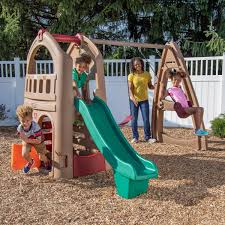
Choosing Step 2 Outdoor Play Sets
Key Takeaways
- Understand what makes Step 2 play sets a popular choice.
- Learn key features to look for when selecting a play set.
- Discover tips for safe installation and placement of play sets.
- Find out how to maintain your play set for lasting fun.
- Get ideas for different types of play sets for various age groups.
- Know how to get the most value from your investment.
Benefits of Step 2 Outdoor Play Sets
Step 2 outdoor play sets are incredibly popular for good reason. They offer a fantastic way for children to stay active, use their imagination, and burn energy outside. These play sets are designed with kids in mind, providing a variety of fun features like slides, swings, and climbing areas.
They encourage social interaction as kids play together, sharing and taking turns. Plus, outdoor play is super important for a child’s development, helping with physical skills and creativity.
Why Choose Step 2 for Play Sets
Step 2 is a brand many parents trust when looking for outdoor play equipment. They focus on making durable products that can handle lots of play and different weather conditions. The designs are often bright and engaging, appealing to children’s sense of adventure.
You’ll find a range of options, from smaller, simple climbers for toddlers to larger, more elaborate fort-like structures for older kids.
The company puts a lot of thought into the safety of their play sets. This includes rounded edges, secure connections, and stable bases. They aim to make play time fun but also secure.
Many parents appreciate that Step 2 play sets often require minimal maintenance, meaning more time for play and less time for worrying.
- Durability and Longevity
Step 2 play sets are known for being built tough. They use high-quality plastics that resist fading and cracking, even after years in the sun and rain. This means your investment will last through multiple seasons and can be enjoyed by several children over time.
The materials are chosen to withstand rough play, so you don’t have to worry about parts breaking easily.
- Safety First Design
Safety is a top priority for Step 2. They engineer their play sets with features that protect children during play. This includes things like enclosed walls to prevent falls from high places, non-slip surfaces on climbing areas, and smooth, rounded edges on all parts.
They follow strict safety standards to ensure every product is as safe as possible.
- Engaging and Imaginative Play
These play sets are designed to spark a child’s imagination. Features like playhouses, steering wheels, and secret compartments encourage storytelling and role-playing. Kids can pretend they are adventurers, explorers, or even running a shop.
This type of imaginative play is vital for developing cognitive skills, problem-solving abilities, and creativity.
Types of Step 2 Outdoor Play Sets
Step 2 offers a wide variety of outdoor play sets to suit different ages, yard sizes, and budgets. From compact climbers for the littlest ones to grand structures that can entertain a whole group of friends, there’s something for almost every family. Thinking about what your children enjoy most will help you pick the right kind of set.
When looking at the different options, consider the age range of the children who will be playing. Some sets are specifically designed for toddlers with lower slides and easier climbing steps, while others have taller slides and more challenging climbing walls for older kids. It’s also worth thinking about how much space you have in your yard and where you plan to put the play set.
Toddler-Friendly Play Sets
For the very young, Step 2 has play sets that are scaled down and extra safe. These often feature gentle slopes for slides, sturdy handles for support, and activities like peek-a-boo holes or steering wheels. They provide a wonderful introduction to outdoor play structures, helping toddlers build confidence and coordination in a secure environment.
These toddler sets are usually compact, making them ideal for smaller yards or patios. They focus on simple, engaging features that are easy for little hands and feet to manage. You’ll often find vibrant colors and friendly animal themes to capture a young child’s attention and encourage exploration.
- Features for Little Ones
These play sets often include features like a mini-slide with a gentle incline, easy-to-grip handles, and low platforms. Some might have interactive elements like a play phone or a steering wheel that turns. The goal is to provide a fun and safe environment for toddlers to explore their physical abilities and engage in imaginative play.
- Safety Considerations for Toddlers
Safety for toddlers is paramount. Step 2 ensures these sets have no small parts that could be a choking hazard and all edges are rounded. The height of the platforms is kept low to minimize any risk of serious falls.
They are designed for easy supervision, allowing parents to keep a close eye on their little ones.
Multi-Activity Play Centers
These are the larger, more comprehensive play sets that offer a variety of activities in one unit. They can include multiple slides, swings, climbing walls, and sometimes even features like a secret playhouse or a tunnel. These are great for yards with more space and for families with multiple children or who often have friends over.
A multi-activity play center can keep children entertained for hours. They provide a range of physical challenges and imaginative play opportunities all in one place. This means kids can develop different skills, from climbing and balancing to sliding and swinging, all while interacting with each other.
- Variety of Play Elements
These sets are designed to keep kids engaged with diverse activities. You might find a tall, wavy slide alongside a shorter, straight one. There could be a rock-climbing wall for a more challenging ascent, a rope ladder, and of course, swings.
Many also include a clubhouse or fort area for imaginative games.
- Encouraging Social Play
With so many things to do, these play centers naturally encourage children to play together. They learn to share the swings, take turns on the slides, and collaborate in the playhouse. This fosters important social skills like cooperation, communication, and conflict resolution.
It’s a great way for kids to build friendships while having fun.
Themed Playhouses and Forts
Step 2 also offers playhouses and forts that focus heavily on imaginative role-playing. These can be designed to look like a cottage, a castle, or a shop. They often come with accessories like windows that open, mail slots, and even built-in benches, providing a cozy space for children to create their own adventures.
These themed structures are fantastic for developing storytelling skills and creativity. Children can pretend to live in the house, run a business, or go on a grand quest. They offer a sense of personal space and ownership, which can be very empowering for a child.
The realistic details add to the immersive play experience.
- Sparking Imagination
The detailed designs of these playhouses and forts are meant to transport children into different worlds. A play kitchen inside might inspire chef games, while a castle exterior could lead to knights and dragons. These environments are fertile ground for developing narrative skills and creative thinking as children invent their own stories and scenarios.
- Building Confidence and Independence
Having their own dedicated play space can boost a child’s confidence and sense of independence. They can decorate their fort, invite friends over for a tea party, or just enjoy some quiet time alone. This ownership of their play environment helps them develop self-reliance and decision-making skills.
Setting Up Your Step 2 Outdoor Play Set
Getting your step 2 outdoor play sets set up is a key part of the process. While they are designed to be user-friendly, taking the time to do it right ensures safety and longevity. It’s important to read all instructions carefully and have the right tools ready before you start.
Don’t rush this step; a well-built play set means hours of worry-free fun.
Think about where you want to place the play set in your yard. The location is not just about looks; it’s crucial for safety. You’ll want a level surface, plenty of clear space around it, and it’s a good idea to avoid placing it directly under trees or near any hazards.
Proper placement is a big part of making sure the play set is as safe as possible.
Choosing the Right Location
The spot you choose for your play set matters a lot. You want a flat, level area to prevent tipping or instability. Avoid placing it on slopes or uneven ground.
It’s also wise to ensure there are no overhead obstructions like low branches or power lines. These could interfere with swings or pose a safety risk.
Also, consider the safety zone around the play set. There should be several feet of clear, soft ground surrounding the entire structure. This “fall zone” helps cushion any tumbles.
Grass, wood chips, or rubber mulch are good choices for this area. Avoid placing it on hard surfaces like concrete or asphalt.
- Level Ground is Essential
A play set needs to sit on perfectly level ground. If the ground is uneven, the play set can lean to one side, making it unstable. This instability increases the risk of tipping or parts breaking under stress.
Before you begin assembly, check the area with a level and make any necessary adjustments by adding or removing soil.
Consider the type of play set you have. A tall play tower needs to be especially stable. For some larger units, you might even consider anchoring them to the ground, especially in windy areas.
This extra security can provide great peace of mind.
- Creating a Safe Fall Zone
The area around the play set is just as important as the structure itself. You need to create a “safety zone” or “fall zone.” This is a clear, soft surface that surrounds the entire play structure. The recommended size for this zone is typically at least 6 feet in all directions from the play set’s perimeter.
Materials like shredded rubber mulch, sand, or wood chips are excellent for absorbing impact. They are much safer than hard surfaces like concrete or packed dirt. Regularly check this area and refill materials as they compact or get displaced to maintain adequate cushioning.
Assembly and Installation Tips
Step 2 play sets usually come with clear, step-by-step instructions. It’s a good idea to have a helper, as some parts can be large or awkward to manage alone. Gather all your tools before you start, such as screwdrivers, wrenches, and possibly a mallet.
Double-checking that you have all the parts listed in the manual is also wise.
As you assemble, pay close attention to how the pieces connect. Make sure all screws and bolts are tightened securely. Once assembled, give the play set a good shake to test its stability.
If anything feels loose, re-tighten the connections before allowing children to play.
- Read the Manual Carefully
The instruction manual is your best friend during assembly. Take the time to read through it completely before you even open the box. Familiarize yourself with the parts list, the tools you’ll need, and the sequence of steps.
This preparation can prevent mistakes and save you time in the long run.
Look for any diagrams or illustrations that help clarify tricky steps. If a step seems confusing, reread it or try to find a video tutorial online if available. Don’t hesitate to reach out to customer support if you encounter any issues.
- Secure All Connections
Every screw, bolt, and connector must be tightened firmly. Loose connections are a common cause of play set issues and can create safety hazards. As you tighten each fastener, ensure it’s snug but avoid overtightening, which can strip threads or crack plastic.
A good rule of thumb is to tighten until you feel firm resistance.
After assembly is complete, do a thorough check of all connections. Gently rock the play set to ensure it’s stable. Periodically, especially after periods of heavy use or extreme weather, re-check and tighten any connections that may have loosened over time.
Maintaining Your Step 2 Outdoor Play Set
Keeping your step 2 outdoor play sets in good condition means they will last longer and remain safe for your children. Regular cleaning and inspection are key. It doesn’t take much time, and it makes a big difference in the overall lifespan and enjoyment of the play set.
Think about how often your play set is used and the weather conditions it experiences. A quick wash can remove dirt and grime, while a visual check can catch any potential problems before they become serious. Following a simple maintenance routine will ensure your play set remains a source of fun for years to come.
Cleaning Your Play Set
Regular cleaning is important to keep the play set looking good and prevent build-up of dirt, mildew, or sap. A simple solution of mild soap and water is usually enough for most cleaning needs. Use a soft cloth or a non-abrasive sponge to wipe down the surfaces.
Rinse thoroughly with clean water afterwards.
For tougher stains or mildew, you might need a slightly stronger cleaner. Be sure to use products that are safe for children and the environment. Always test any cleaning solution on a small, inconspicuous area first to make sure it doesn’t damage the plastic.
After cleaning, let the play set air dry completely.
- Routine Washing
A good time to wash your play set is during warmer months when it dries quickly. Use a mild dish soap mixed with water. A soft brush or cloth works best for wiping surfaces.
Avoid abrasive cleaners or scouring pads, as these can scratch the plastic and make it more prone to dirt build-up in the future.
Rinse off all soap residue thoroughly with a garden hose. If you have hard water, mineral deposits might form over time. A diluted vinegar solution can help tackle these, but always rinse well afterward.
Letting the play set dry in the sun helps kill germs.
- Tackling Tough Stains
For stubborn marks, like those from sap or bird droppings, you might need a bit more effort. For sap, try applying a small amount of vegetable oil or Goo Gone directly to the spot, let it sit for a few minutes, then wipe away. For mildew, a solution of one part bleach to ten parts water can be effective, but ensure good ventilation and rinse thoroughly.
Always wear gloves when using stronger cleaning agents. Make sure no cleaning residue remains, as this could be harmful to children. After treating stains, it’s a good practice to give the entire play set a general wash with soap and water to ensure all chemicals are removed.
Inspecting for Wear and Tear
Regular inspections are crucial for safety. Look for any cracks, sharp edges, or loose parts. Check the integrity of the slides, swings, and climbing holds.
Ensure all bolts and screws are still tight and that there’s no rust forming on any metal components.
Pay attention to the ground surface around the play set as well. Make sure the safety material is still deep enough to provide adequate cushioning. If you notice any issues, address them promptly.
Small repairs now can prevent bigger problems and ensure continued safe play.
- Checking for Damage
Visually inspect the entire play set on a regular basis. Look for any signs of stress on the plastic, such as deep scratches, fading, or brittleness. Check for any cracks that might compromise the structural integrity.
Pay special attention to areas that bear the most weight or are frequently used, like the base of slides or climbing walls.
Also, check any metal parts for rust or corrosion. For swing chains or fasteners, ensure they are in good condition and not showing signs of wear that could lead to failure. Any damaged parts should be repaired or replaced immediately.
- Tightening Hardware
Over time, vibrations from play and exposure to weather can cause screws and bolts to loosen. A quick check with a wrench or screwdriver can make a big difference. Go around the entire play set and tighten any fasteners that feel loose.
This simple step is one of the most important for maintaining the safety and stability of the structure.
Don’t forget to check the anchor points if your play set is anchored. Ensure they are secure and haven’t become loose in the ground. Regularly tightening hardware is a preventative measure that significantly reduces the risk of accidents.
Step 2 Outdoor Play Sets in Action
Seeing step 2 outdoor play sets come to life in a backyard is always a joy. Children of all ages can find something to love. Whether it’s a toddler discovering the joy of their first slide or older kids orchestrating elaborate games in a fort, these play sets are central to childhood memories.
The real magic of these play sets is how they adapt to children’s growing needs and imaginations. What starts as a simple climbing adventure can evolve into a pirate ship or a secret base as kids get older. They encourage physical activity, which is so vital for healthy development, and provide a much-needed break from screens.
Case Study A A Backyard Transformation
The Miller family had a small, mostly unused backyard. They wanted to create a fun space for their two young children, aged 3 and 5. After researching options, they decided on a mid-sized Step 2 play set that featured a slide, a small climbing wall, and a playhouse area.
The chosen location was a flat, grassy corner of the yard.
They followed the instructions carefully, ensuring the ground was level and a soft mulch was spread around the base. The assembly took a Saturday afternoon with two adults. The result was a vibrant play area that instantly became the focal point of their outdoor space.
Their children spent hours playing on the new set, their laughter echoing through the neighborhood.
Within months, the Millers noticed a significant change. Their children were more active, spent less time indoors, and their coordination improved. The play set also became a social hub when friends visited.
The parents felt confident in the safety and durability of the Step 2 product, appreciating the ease of maintenance and the visible joy it brought their children.
Sample Scenario Toddler’s First Play Date
Lily, a bright two-year-old, is having her first play date at a friend’s house. Her friend’s family has a Step 2 toddler play set with a low slide and a crawl-through tunnel. Lily is a little shy at first, but encouraged by her friend, she climbs the sturdy steps to the platform.
She hesitates for a moment at the top, then bravely slides down. The gentle slope makes it a fun, not frightening, experience. After a few more slides, she discovers the tunnel and enjoys crawling through it, giggling.
The simple, safe design of the play set allows her to build confidence and enjoy her first shared play experience.
Sample Scenario Older Kids’ Adventure Zone
Leo, aged 7, and his sister Mia, aged 9, have a larger Step 2 play center in their backyard. It includes a tall, twisty slide, a rock-climbing wall, and a fort with a steering wheel. Their friends often come over to play.
One sunny afternoon, Leo decides the play center is a pirate ship, and Mia is the captain. They use the climbing wall to “board” the ship, then race down the slide to escape imaginary sea monsters. The steering wheel becomes the helm as they navigate through imaginary storms.
This scenario shows how older kids can use the same play set for complex, imaginative adventures.
Common Myths Debunked
Myth 1: All Plastic Play Sets Are Unsafe
This is not true. While quality varies, reputable brands like Step 2 use high-grade, durable plastics specifically designed for outdoor play equipment. These materials are chosen for their strength, resistance to UV rays, and ability to withstand temperature changes.
When manufactured to safety standards, plastic play sets can be very safe and often more forgiving than metal, as they don’t get as hot in the sun and have no sharp edges.
Myth 2: Assembly Is Always Extremely Difficult
Many Step 2 outdoor play sets are designed with assembly in mind for the average homeowner. While some larger units might require two people and a bit of time, the instructions are typically clear and parts are often pre-drilled. Compared to building complex furniture, assembling a play set is often more straightforward, focusing on connecting larger, manageable pieces securely.
Myth 3: Play Sets Are Only For Young Children
While many Step 2 play sets are fantastic for toddlers and preschoolers, the brand offers a range of products suitable for older children too. Larger play centers with more challenging climbing features, taller slides, and more elaborate fort areas can engage children up to 10 or 12 years old. The imaginative aspect of play also continues to be relevant for older kids who can create more complex games and scenarios.
Myth 4: Once Assembled, Maintenance Is Not Needed
This is a dangerous myth. Even the most durable play sets require some level of maintenance. Regular cleaning prevents the build-up of dirt and mildew, while periodic inspections ensure all hardware is tight and there are no cracks or worn parts.
Neglecting maintenance can lead to safety hazards and shorten the lifespan of the play set.
Frequently Asked Questions
Question: How much space do I need for a Step 2 play set?
Answer: The space needed varies depending on the specific play set model. Always check the product dimensions and recommended safety zone clearance (usually at least 6 feet around the entire play structure) before purchasing. It’s crucial to have enough clear, soft ground surrounding the play set for safe play.
Question: Can Step 2 play sets be left outside all year round?
Answer: Yes, Step 2 outdoor play sets are designed to withstand various weather conditions and can typically be left outside year-round. However, for extended longevity and to protect against extreme elements like heavy snow or ice, some owners choose to cover them or store smaller pieces during harsh winters.
Question: Are Step 2 play sets easy to clean?
Answer: Yes, Step 2 play sets are generally very easy to clean. A simple wash with mild soap and water, using a soft cloth or sponge, is usually sufficient. Rinsing well and allowing them to air dry is all that’s typically needed to keep them looking great.
Question: What tools are usually needed for assembly?
Answer: The tools needed vary by model, but common items include a Phillips head screwdriver, a flathead screwdriver, and a wrench or socket set. Some kits may also include a small tool for assembly, and a rubber mallet can be helpful for fitting parts together.
Question: How long does a Step 2 play set typically last?
Answer: With proper maintenance and care, a Step 2 outdoor play set can last for many years, often 10 years or more. Their durable construction and resistance to weather mean they can provide fun for multiple children over a long period.
Wrap Up
Choosing step 2 outdoor play sets brings joy and active fun to any backyard. They are built tough and designed with safety and imagination in mind. Following simple setup and maintenance tips ensures they last for years.
Your kids will love having their own special place to play and explore.