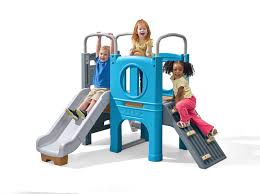
Choosing the Right Step 2 Outdoor Playsets
Picking out the perfect step 2 outdoor playsets can seem a bit tricky at first. There are so many fun options, and you want to make sure your little ones have a safe and exciting place to play. Don’t worry, it’s not as hard as it looks!
We’re going to walk through it step by step so you can feel confident in your choice. Get ready to discover how easy it can be to create an amazing play space.
Key Takeaways
- Understand the different types of Step 2 outdoor playsets available.
- Learn how to assess your backyard space for the best playset fit.
- Discover important safety features to look for in any playset.
- Find tips for budgeting and finding good deals on playsets.
- Get advice on assembly and long-term care for your playset.
- Learn how to choose a playset that grows with your child.
Exploring Step 2 Outdoor Playsets Options
Step 2 offers a wide range of outdoor playsets designed to spark imagination and encourage active play. These playsets are beloved by families for their durability and engaging designs. From compact options perfect for smaller yards to elaborate fort systems that create entire backyard adventures, there’s a playset to suit almost any need.
Thinking about what your children love to do most is a great starting point. Do they enjoy climbing, sliding, or imaginative role-playing? Step 2 has options that cater to all these interests.
The variety means you can find playsets that are age-appropriate. Smaller, simpler structures might be ideal for toddlers, while larger, more complex ones can keep older children entertained for hours. Many Step 2 playsets are designed to encourage social interaction, allowing multiple children to play together.
This promotes sharing and cooperative play, which are valuable skills. The bright colors and sturdy construction are hallmarks of the brand, ensuring both visual appeal and lasting quality.
Types of Step 2 Playsets
Step 2 playsets come in various forms, each offering unique play experiences. You’ll find everything from compact single-piece climbers to elaborate multi-level fort structures. Some are designed with specific themes, like pirate ships or castles, to fuel imaginative play.
Others focus on a combination of slides, swings, and climbing walls.
-
Single-Piece Climbers: These are often compact and ideal for younger children or smaller spaces. They might include a small slide and some climbing surfaces.
These are fantastic for introducing children to climbing and sliding in a safe, controlled environment. They typically have a low height profile, making them suitable for toddlers and preschoolers. The simplicity allows for easy supervision and peace of mind for parents.
-
Multi-Level Forts: These are larger, more elaborate structures that can include multiple slides, climbing walls, bridges, and playhouses. They offer a wider array of activities and are great for multiple children.
These fort-style playsets are like miniature adventure parks. They often feature secret crawl spaces, balconies, and themed elements that encourage pretend play. The variety of activities ensures that children can explore different ways to play each time they visit.
Their size makes them a central feature in a backyard playground.
-
Themed Playsets: Step 2 creates playsets based on popular themes like farms, castles, or spaceships. These can add an extra layer of imaginative fun.
Themed playsets are wonderful for children who have vivid imaginations. A pirate ship playset, for example, can become a real ship sailing the high seas. This type of play helps children develop storytelling skills and creative thinking.
The visual cues provided by the theme guide their pretend adventures.
-
Playsets with Swings: Some larger playsets incorporate swing sets, offering a combination of climbing, sliding, and swinging fun.
Combining swings with other play elements provides a more comprehensive play experience. Children can switch between activities, keeping them engaged for longer periods. This is a great way to maximize the play value of a single structure, especially if yard space is limited.
Considering Your Backyard Space
Before you fall in love with a particular playset, it’s important to measure your yard. You need enough space for the playset itself, plus a safety zone around it. This safety zone is crucial for preventing injuries.
Think about where the sun shines at different times of the day, too. You don’t want the slides to be too hot in the summer sun.
Also, consider the terrain. A level area is best for playset stability. If your yard is sloped, you might need to do some leveling first or choose a playset designed to accommodate slight slopes.
Take note of any trees, fences, or other structures that might be too close. You want to ensure clear access to and around the playset.
-
Measure the Area: Accurately measure the footprint of the playset and then add at least 6 feet of clear space on all sides. This is the recommended safety zone.
This safety clearance is non-negotiable. It allows children to exit slides or swings freely without hitting anything. It also gives adults space to supervise and assist children safely.
Always refer to the manufacturer’s guidelines for specific safety zone requirements, as they can vary.
-
Evaluate the Ground Surface: A flat, stable surface is ideal. Soft surfaces like wood chips, sand, or rubber mulch are recommended for fall cushioning.
Playing on a soft surface significantly reduces the risk of injury if a child falls. Hard surfaces like concrete or asphalt offer no protection and should be avoided under and around playsets. Choosing the right ground cover is a critical safety step that often gets overlooked.
-
Check for Obstructions: Ensure there are no overhead branches, fences, or walls that could interfere with play or pose a hazard.
Obstructions can limit the types of activities a child can do on the playset. They can also be a falling hazard themselves. Carefully survey the intended location for any potential issues before committing to a playset purchase.
Safety First with Step 2 Playsets
Safety is the most important factor when choosing any outdoor play equipment. Step 2 is known for its commitment to safety in their product designs. Look for features like rounded edges, sturdy construction, and well-anchored components.
The materials used are also important; they should be durable and non-toxic.
Always follow the manufacturer’s assembly instructions precisely. A properly assembled playset is a safe playset. Regularly inspect the playset for any signs of wear and tear, such as loose bolts or cracked plastic.
Addressing these issues promptly will ensure continued safety for years of play.
Essential Safety Features
When you are looking at different step 2 outdoor playsets, keep an eye out for specific safety features. These are built into the design to protect your children. Think about how the playset is constructed and what materials are used.
-
Rounded Edges and Corners: Playsets should have smooth, rounded edges to prevent scrapes and bumps.
Sharp edges on playground equipment can lead to painful cuts and bruises. Step 2 designs usually feature smooth transitions between plastic parts, minimizing these risks. This thoughtful detail makes a big difference in everyday play.
-
Sturdy Construction and Anchoring: The playset should feel solid and stable. Many larger playsets require anchoring to the ground to prevent tipping.
A wobbly playset is a serious hazard. Ensure the playset is designed to be stable and that you follow anchoring instructions. This is especially important for taller structures or those with multiple moving parts like swings.
-
Non-Toxic Materials: All plastic and paint should be free from harmful chemicals.
Children often put their hands and mouths on playground equipment. Using safe, non-toxic materials ensures that playtime doesn’t expose them to harmful substances. Step 2 generally uses materials that meet safety standards for children’s products.
-
Adequate Handholds and Footrests: These should be easy for small hands and feet to grip securely.
When climbing, secure handholds and footrests are essential for preventing falls. They should be spaced appropriately for a child’s reach. Good design in this area makes climbing easier and safer.
Installation and Maintenance for Safety
Proper installation is key to a safe playset. Always read and follow the assembly manual carefully. It might seem daunting, but taking your time ensures everything is put together correctly.
If you are not comfortable with assembly, consider hiring a professional.
Regular maintenance is just as important as initial setup. Check for loose bolts, cracks, or sharp edges. Clean the playset periodically to keep it in good condition.
This vigilance ensures that your playset remains a safe haven for fun.
-
Follow Assembly Instructions Precisely: Step 2 provides detailed manuals for each playset. Do not skip steps or try to improvise.
These instructions are created by engineers who understand the structural integrity of the playset. Deviating from them can weaken the structure or create unexpected hazards. Take your time and have a second person help if possible for easier assembly.
-
Anchor the Playset Securely: If your playset comes with anchoring hardware, use it. This prevents the unit from tipping over, especially in windy conditions or during vigorous play.
Anchoring is a critical safety step for larger structures. It provides the necessary stability to withstand the forces of children playing. Make sure the anchors are sunk deep enough into the ground for maximum effectiveness.
-
Regularly Inspect for Wear and Tear: Check for loose screws, cracked plastic, or worn-out swing chains at least monthly.
Over time, weather and use can cause materials to degrade. Small issues can become big safety problems if not addressed. A quick inspection can prevent accidents and extend the life of the playset.
-
Clean the Playset Periodically: Use mild soap and water to clean the surfaces. This prevents the buildup of dirt, grime, and potential allergens.
A clean playset is a more pleasant and hygienic place to play. Regular cleaning also allows you to spot any developing problems with the material. Keeping it clean helps maintain its appearance and safety.
Budgeting for Step 2 Outdoor Playsets
Investing in a playset is a significant decision, and budgeting wisely is important. Step 2 playsets vary in price depending on their size, features, and complexity. It’s helpful to set a budget before you start shopping.
Consider if you are looking for a basic model or a more elaborate structure.
Keep an eye out for sales and promotions. Many retailers offer discounts during certain times of the year, such as spring or holiday weekends. Looking at refurbished or open-box options from reputable sellers can also be a way to save money, but always inspect these items carefully for damage.
Finding Value and Deals
Getting a good deal on a Step 2 playset doesn’t mean sacrificing quality. Many retailers offer competitive pricing, and sales events are common. Planning your purchase around these times can lead to significant savings.
-
Shop During Sales Events: Look for discounts during major holidays like Memorial Day, Fourth of July, or Labor Day. Retailers often have significant markdowns on outdoor items.
These sales are specifically timed to coincide with the peak outdoor play season. Taking advantage of these events can save you a substantial amount of money on your playset purchase. Plan your budget accordingly to be ready for these opportunities.
-
Compare Prices Across Retailers: Different stores may have varying prices for the same model. Checking online and in-store prices can help you find the best deal.
Don’t buy from the first place you look. Spend a little time comparing prices online and at local stores. Sometimes, a small difference in price can add up, especially for larger purchases like a playset.
-
Consider Refurbished or Open-Box Items: Some retailers sell returned items at a discount. Ensure these items are inspected for damage and come with a warranty if possible.
These items are often in excellent condition but sold at a lower price because they were returned or the box was opened. It’s a smart way to save money, but it’s crucial to verify the condition and any return policy. Always ask if there is any warranty available.
Understanding the Cost Factors
The price of a Step 2 playset is influenced by several factors. The size of the playset is a major determinant; larger, more feature-rich models naturally cost more.
The number of activities included also plays a role. A playset with multiple slides, swings, and climbing features will be more expensive than a simpler one. The materials used and the complexity of the design also contribute to the overall cost.
For instance, a playset with a built-in water feature might command a higher price.
| Factor | Impact on Price | Consideration |
|---|---|---|
| Size and Footprint | Higher cost for larger playsets | Ensure it fits your yard and safety zones. |
| Number of Activities | More features mean higher cost | Prioritize the activities your child enjoys most. |
| Complexity of Design | Intricate designs are pricier | Look for designs that offer good play value for the cost. |
| Material Quality | Premium materials can increase cost | Durable, weather-resistant materials offer long-term value. |
Step 2 Playset Assembly and Longevity
Assembling a step 2 outdoor playset is a project that many parents undertake themselves. While it requires patience and attention to detail, it’s very achievable. The key is to follow the instructions step-by-step and have the right tools on hand.
Once assembled, these playsets are built to last. However, a little bit of care can ensure they stand up to years of enthusiastic play and various weather conditions. Regular cleaning and checks are the best way to maintain them.
The Assembly Process
When your playset arrives, you’ll likely have a large box filled with plastic pieces and hardware. Before you start, lay out all the parts and compare them to the list in the manual. This ensures you have everything you need and can identify each piece.
Most Step 2 playsets use a system of interlocking plastic parts and screws. It’s helpful to have a helper to hold pieces in place while you screw them together. Don’t overtighten screws, as this can strip the plastic.
-
Unpack and Inventory All Parts: Carefully remove all pieces from the box. Check them against the parts list in the instruction manual. Contact the manufacturer immediately if anything is missing or damaged.
This initial step is crucial. Discovering a missing piece halfway through assembly can be incredibly frustrating. Taking the time to confirm you have everything upfront saves time and potential headaches later.
It also ensures you have the correct hardware for each connection.
-
Gather Your Tools: You will likely need a screwdriver (often a Phillips head), possibly a wrench, and maybe a small hammer. Having these ready makes the process smoother.
Having the right tools at hand prevents interruptions. It makes the assembly feel more organized and less chaotic. Ensure you have tools that are appropriately sized for the hardware provided.
-
Follow Each Step Methodically: Work through the instruction manual one step at a time. Do not rush this process. Ensure each piece is connected securely before moving to the next.
The order of assembly is important for structural integrity. Skipping steps or assembling out of order can lead to a wobbly or unsafe playset. Patience is key; focus on getting each connection right.
-
Enlist a Helper: Having a second person can make assembly much easier, especially when holding large pieces in place or aligning connections.
Two pairs of hands are always better than one for large assembly projects. A helper can stabilize parts, pass tools, and ensure connections are made correctly. This makes the job faster and safer.
-
Perform a Final Safety Check: Once assembled, go over the entire playset, checking all screws, connections, and ensuring there are no sharp edges or pinch points.
This final inspection is a critical safety measure. It’s your last chance to catch any errors or overlooked issues before children start playing. Give it a good shake to ensure it’s stable.
Extending the Life of Your Playset
To keep your Step 2 playset looking great and functioning safely for a long time, some basic maintenance is recommended. Regular cleaning is important not just for appearance but also for hygiene.
Protecting the playset from extreme weather can also help. If you live in an area with harsh sun or heavy snow, consider covering or storing some parts during off-seasons. These simple steps will ensure your playset remains a source of joy for many years.
-
Clean Regularly: Wash the playset with mild soap and water to remove dirt, grime, and any sticky residues. Rinse thoroughly and let it air dry.
Regular cleaning not only keeps the playset looking new but also prevents the buildup of mold and mildew. It’s a simple task that significantly contributes to the longevity and appearance of the plastic. A quick wash can prevent tougher stains later.
-
Inspect Hardware Periodically: Check all screws and bolts to ensure they are tight. Re-tighten any that have loosened over time due to weather or play.
Hardware can loosen slightly with regular use and temperature changes. Checking and tightening these connections ensures the playset remains structurally sound and safe. This simple check should be done at least a couple of times a year.
-
Protect from Harsh Sun: Prolonged exposure to direct sunlight can cause plastic to fade and become brittle over time. Consider placing the playset in a shaded area or using a playset cover.
UV rays are the enemy of plastic outdoor items. While Step 2 plastics are durable, extreme sun exposure can accelerate wear. Providing some shade or a cover can dramatically extend the life of the playset’s materials.
-
Check for Cracks or Damage: Inspect the plastic for any signs of cracking, splitting, or sharp edges developing. Address any damage immediately by contacting the manufacturer for replacement parts.
Small cracks can grow larger over time and create safety hazards. Catching these issues early is essential for preventing accidents. Prompt replacement of damaged parts ensures the playset remains safe for play.
Common Myths Debunked
Myth 1: All plastic playsets are the same.
Reality: This is not true. The quality of plastic used varies greatly between manufacturers. Step 2 uses high-quality, durable plastics designed for outdoor use, which are resistant to cracking and fading.
Cheaper alternatives may use lower-grade plastic that degrades faster in sunlight and extreme temperatures, becoming brittle and potentially unsafe.
Myth 2: Playsets are only for young children.
Reality: While many Step 2 playsets are geared towards preschoolers and early elementary-aged children, some larger and more complex models can provide entertainment for older kids too. The imaginative play aspect often continues to be appealing. Moreover, the physical activity is beneficial for children of various ages.
Myth 3: Assembling a playset is too difficult for the average person.
Reality: Step 2 playsets are designed for relatively straightforward assembly. While it may take a few hours and some patience, the instructions are usually clear, and the pieces are designed to fit together logically. With a helper and the right tools, most families can successfully assemble their playset.
Myth 4: You need a huge backyard for a playset.
Reality: Step 2 offers a variety of playsets, including compact models perfect for smaller yards. The key is to choose a playset that fits your space and to maintain the recommended safety zone around it. Many options are designed to maximize play value in a limited footprint.
Frequently Asked Questions
Question: How long does it typically take to assemble a Step 2 outdoor playset
Answer: Assembly time can vary depending on the complexity of the playset and the number of people helping. Most medium-sized playsets can be assembled in 2 to 4 hours. Larger or more elaborate models might take longer, up to 6 hours or more.
Question: What is the best surface to put a playset on
Answer: The best surfaces are soft and absorbent, such as wood chips, sand, pea gravel, or rubber mulch. These materials help cushion falls. Avoid hard surfaces like concrete or asphalt, as they offer no protection.
Question: Can Step 2 playsets be left outside year-round
Answer: Yes, Step 2 playsets are designed to be durable and weather-resistant for outdoor use year-round. However, prolonged exposure to harsh elements like extreme sun or heavy snow can accelerate wear. Covering or cleaning them periodically can extend their lifespan.
Question: How do I clean my Step 2 playset
Answer: You can clean your playset with a mild soap and water solution. Use a soft cloth or sponge to wipe down the surfaces. Rinse thoroughly with clean water and allow it to air dry completely before use.
Question: Are Step 2 playsets safe for toddlers
Answer: Yes, Step 2 offers many playsets specifically designed for toddlers, featuring lower heights, smaller steps, and gentle slopes. Always check the age recommendations for each specific model to ensure it is appropriate for your child’s age and development.
Final Thoughts
Choosing the right step 2 outdoor playsets makes backyard fun simple. Focus on safety features and yard space first. Then, pick a playset that fits your budget and offers the activities your children will love.
With a little planning and careful assembly, you’ll create a wonderful play area for lasting memories.